If you are injured in Tampa…
Immediate Steps After a Tampa Car Crash
Safety and the Police Report
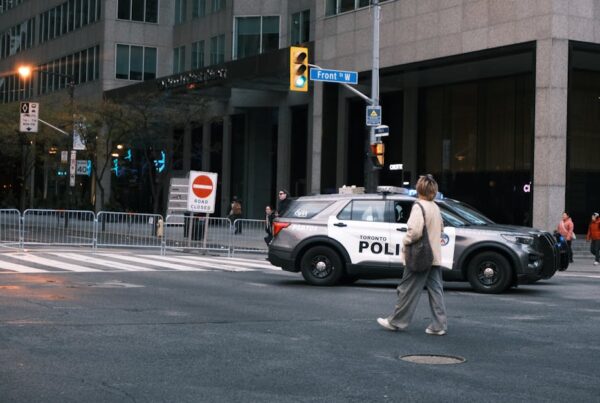
When you are involved in a crash on the 813 area code, your immediate instinct is likely to be concerned for the injured passengers and worried about the vehicle. It is vital to call 911 for help and to request a police report. A police report is the official record of the collision and provides an initial investigation into what caused the crash. Do not leave the scene until the police have arrived, unless you must for medical reasons. If you feel you cannot stay, tell the dispatcher clearly why you are leaving.
The police report serves as the backbone of your legal case. It contains the officer’s observations, the other driver’s statement, and often a citation for traffic violations like running a red light or speeding. In a Tampa car accident lawyer’s hands, this document becomes a powerful tool. However, it is not the end of the story. Police reports are not always perfect and may miss nuances. That is why it is so important to supplement the report with your own evidence.
Do Not Sign Insurance Settlements Early
Adjusters from the at-fault party’s insurance company may contact you quickly. They may offer a quick settlement. Do not sign this agreement or accept the money. This settlement is often a low-ball offer. By signing early, you might waive your right to claim full medical expenses later. A Tampa car accident lawyer can review these offers and ensure you are getting fair value for your pain and suffering.
Insurance companies operate on profit margins. Their adjusters are trained to get you to sign for less money, hoping you will not pursue further damages. If you have a permanent injury, the initial offer will likely be far too low. A lawyer can calculate the full value of your claim, including future medical costs and lost earning potential.
Understanding Florida’s No-Fault Insurance System
What is Personal Injury Protection (PIP)?
Florida is a no-fault state. This means that regardless of who caused the crash, your own insurance pays for your initial medical bills. This is known as PIP. Every driver in Florida must have a minimum of $10,000 in PIP coverage. This covers reasonable and necessary medical expenses, lost wages, and death benefits. However, PIP limits are often not enough to cover catastrophic injuries. This is why it is so important to have higher limits if you have serious health issues or own a high-value vehicle.
Under Florida Statute 627.736, Personal Injury Protection (PIP) insurance is designed to cover medical bills, a portion of lost wages, and death benefits regardless of who is at fault. The standard minimum coverage is $10,000. However, most Tampa drivers purchase additional limits.
In 2017, Florida law changed the standard PIP limit from $10,000 to $10,000, but you can purchase up to $100,000. This higher limit applies if the accident involved a vehicle with a $500 deductible or higher. If you have a standard policy, you must pay a deductible before PIP covers the medical expenses. This is a critical distinction. If your deductible is high, your PIP coverage may be lower than you think.
The Tort Threshold
To sue the at-fault driver for pain and suffering, you must meet the “serious injury” or “tort” threshold. This is a crucial concept in Florida law. Under Florida Statute 627.737, to recover damages for pain and suffering, the injury must meet one of four criteria:
1. Death, fracture, loss of a fetus, or documented disfigurement.
2. Permanent injury.
3. Significant and permanent scarring.
4. Medical expenses exceeding $10,000.
If the injury does not meet these criteria, you are limited to your own PIP coverage and cannot sue the at-fault party. If you were injured in a Tampa car accident and your injury does not meet the tort threshold, a Tampa car accident lawyer might still help you maximize your PIP claim. However, for pain and suffering, you must prove you met the threshold.
If you have a high-limit PIP policy, your lawyer can help you access the full $100,000. This is beneficial for victims of serious car accidents. If the injury is minor, you might not need to sue the other driver. Your own insurance pays your PIP. But for serious injuries, the tort threshold allows you to recover compensation for pain, emotional distress, and more.
What PIP Covers
PIP covers 80% of your medical expenses and 60% of your lost wages. This is a strict formula. It applies even if the other driver was not at fault. This is why it is often called “no-fault insurance.” If you are in a rear-end crash, your PIP will pay for your treatment regardless of the other driver’s fault. This ensures that victims get immediate care without waiting for fault to be determined. However, if you are not covered by PIP, you may have to pursue a lawsuit to get compensation for your injuries.
Gathering Evidence to Prove Liability
Dashcam Footage
Dashcam footage can be the most powerful piece of evidence in a case. It often shows speed, whether a driver was texting, and who had the right of way. If you have dashcam footage, preserve it immediately. A Tampa car accident lawyer can use it to reconstruct the crash. If the footage shows the other driver ran a red light, it proves negligence. It is much harder for the other driver to dispute this evidence.
However, if you do not have a dashcam, there are other ways to prove negligence. Police reports, witness statements, and photos of the scene can all be used. For example, if there are skid marks, they can show that the other driver was speeding. If the other driver was driving the wrong way, skid marks or tire marks might indicate their speed and direction of travel.
Spoliation of Evidence
In Florida, spoliation of evidence is taken very seriously. This term refers to the destruction of evidence by a party. If a driver destroys the other driver’s dashcam footage, they may face civil penalties or even criminal charges. It is a serious offense to destroy evidence in Florida. If you have dashcam footage, do not delete it. It is crucial for your case. Even if you don’t have footage, preserving the damaged vehicle can help an expert reconstruct the crash. Experts can often determine what caused the crash, even without footage. If the other driver tries to destroy evidence, a Tampa car accident lawyer can use this fact to prove their bad faith and hold them accountable for the destruction.
If you are involved in a crash, do not destroy any photos, dashcam footage, or damaged parts of your vehicle. Keep them until your case is resolved. If you are a passenger, tell the other driver to preserve the footage. If they refuse, a lawyer can use this as evidence.
Witnesses
Witnesses can confirm what happened. If a pedestrian was hit, they might have seen the other driver running a red light. If there is a witness, get their contact information. They can testify in court or deposition. Their testimony is often more credible than the defendant’s. They can confirm that the other driver was speeding or distracted.
Common Accident Types and Special Laws
Left-Turn Accidents
Left-turn accidents are common in Tampa. They often happen at intersections. If you are making a left turn, you yield to oncoming traffic. If the other driver runs a red light, they are liable. This is a clear case of negligence. If you were injured in a left-turn accident, your Tampa car accident lawyer can help you sue the other driver for pain and suffering. You must meet the tort threshold to sue, but the liability is clear.
Hit and Run Accidents
A hit-and-run occurs when a driver leaves the scene. In Florida, this is a second-degree misdemeanor if property damage is involved. If a driver flees, it is often to avoid responsibility. If you were hit by a hit-and-run, your own insurance’s uninsured motorist coverage can cover your losses. If the other driver is found, you can also sue them. A Tampa car accident lawyer can help you file an insurance claim. If the hit-and-run driver is not found, your claim may be limited to your own coverage. It is a serious situation. Your own PIP may cover your medical bills, but for other losses, you might need to sue. If the other driver is identified, you can still sue them even if they flee. However, this is difficult.
Commercial Vehicles and Truck Accidents
Accidents with big rigs are common in Tampa. Truck drivers have a special license, but they can still be negligent. If a truck driver crashes, you can sue the truck driver and the trucking company. The trucking company is liable for hiring the driver. They can also be liable for their driver’s actions. If you were injured in a truck accident, your Tampa car accident lawyer can help you navigate the complex insurance laws. Truck accidents often involve multiple parties. You can sue the driver, the trucking company, and the truck manufacturer. It is a complex case.
The Timeline and Statute of Limitations
After an accident, you must file a claim within two years. This is the statute of limitations in Florida. This is set by Florida law. If you miss this deadline, you lose your right to sue. For minor injuries, the claim process is often quick. However, for severe injuries, the claim can take a long time. A Tampa car accident lawyer can help you file the claim within the deadline. They will send a demand letter to the insurance company. This letter outlines the full value of your claim. If the insurance company rejects it, your lawyer will negotiate. If they reject it again, your lawyer may file a lawsuit. The statute of limitations is a hard deadline. Missing it means you lose your case.
Why Hire a Tampa Car Accident Lawyer?
Dealing with insurance companies alone is often overwhelming. They use tactics to minimize payouts. A Tampa car accident lawyer knows how to fight back. They can demand a fair settlement. They know how to handle the complexity of PIP claims and the tort threshold. They can handle the paperwork. They can speak to the insurance adjusters on your behalf. If you are injured, you need full attention. A lawyer allows you to focus on your recovery. They can fight for your full compensation. If you are in a serious accident, you need a lawyer who knows Florida law. They can help you avoid pitfalls like the statute of limitations. If you have a serious injury, you need a lawyer who can navigate the legal process.
Frequently Asked Questions
Q: Can I sue if the other driver was not at fault?
A: No, you cannot sue if the other driver was not at fault. You are limited to your own PIP coverage. However, if you have a serious injury, you might be able to sue. This depends on your PIP limit and the tort threshold. If your injury is serious, you can sue. But if you have a minor injury, you are limited to your PIP coverage.
Q: How much is a PIP claim?
A: Your PIP claim is limited to $10,000. If you need more than that, you must sue the other driver. This is only possible if you meet the tort threshold. If your injury is minor, you are limited to your PIP coverage. If your injury is serious, you can sue for the full value of your claim. However, your PIP claim is separate from the lawsuit.

Share your details and we’ll follow up shortly.