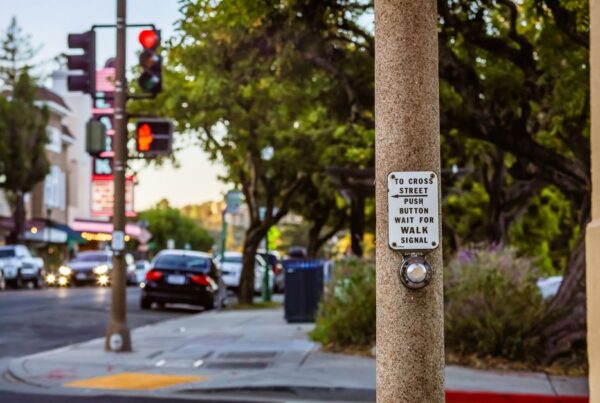
Navigating the Aftermath of a Pedestrian Accident in Tampa

Being struck by a motor vehicle is a life-altering event that occurs with alarming frequency in the Tampa Bay area. Because pedestrians have no structural protection, the resulting injuries are often catastrophic. When you are walking through downtown Tampa, crossing near the University of South Florida, or strolling along Bayshore Boulevard, you have a right to expect drivers to share the road safely. However, driver distraction, speed, and failure to yield frequently lead to devastating collisions.

In the wake of an accident, you may be facing mounting medical bills, lost wages, and a long road to physical recovery. Understanding your legal options in Florida is the first step toward regaining stability. This guide provides a detailed look at how pedestrian accident claims work in Tampa, the insurance protocols you must follow, and how Florida’s specific traffic laws impact your potential for recovery.

Common Causes of Pedestrian Collisions in the Tampa Bay Area

Tampa’s infrastructure is a mix of high-speed corridors and dense urban centers, creating unique risks for those on foot. Understanding the common causes of these accidents can help in identifying who is liable for your injuries. Many collisions occur at intersections where drivers are more focused on traffic lights than on people in the crosswalk.

  • Turning Vehicles: Drivers making left or right turns often look for other cars but fail to check for pedestrians who have the walk signal.
  • Distracted Driving: With the prevalence of mobile devices, drivers in Tampa are frequently distracted, leading to a failure to see pedestrians until it is too late.
  • Failure to Yield at Crosswalks: Florida law requires drivers to yield to pedestrians in marked crosswalks, yet many drivers ignore these markings, especially on busy streets like Dale Mabry Highway or Fowler Avenue.
  • Speeding in Residential Zones: High speeds reduce a driver’s reaction time and significantly increase the force of impact, making injuries much more severe.
  • Driving Under the Influence: Alcohol and drugs remain a leading factor in pedestrian fatalities across Hillsborough County.

Florida Pedestrian Right-of-Way Laws: A Detailed Overview

Florida Statute 316.130 outlines the various responsibilities of both pedestrians and drivers. While the law is designed to protect those on foot, it also imposes certain duties on pedestrians. Generally, when a pedestrian is in a marked or unmarked crosswalk at an intersection, drivers must yield. However, pedestrians are also prohibited from suddenly leaving a curb or other place of safety and walking into the path of a vehicle that is so close that it is impossible for the driver to yield.

In Tampa, many accidents occur outside of traditional crosswalks. While drivers are expected to exercise “due care” to avoid hitting anyone on the road, a pedestrian’s location can impact the legal outcome of a case. Florida follows a modified comparative negligence system. This means that if you are found to be partially at fault for the accident—for example, by crossing against a signal—your financial recovery may be reduced by your percentage of fault. Importantly, if you are found to be more than 50% at fault, you may be barred from recovering any damages under recent changes to Florida law.

Insurance Coverage Paths: PIP and Beyond

One of the most confusing aspects of a pedestrian accident is determining which insurance company is responsible for your medical bills. Because Florida is a “no-fault” state, the initial source of coverage is often Personal Injury Protection (PIP). Even though you were not driving, if you own a vehicle in Florida, your own PIP insurance will typically cover the first $10,000 of your medical expenses and lost wages, minus your deductible.

If you do not own a vehicle, you may be covered by the PIP policy of a resident relative. If neither of those options applies, you may be eligible to seek PIP benefits from the insurance policy of the driver who hit you. Once PIP benefits are exhausted, or if your injuries meet the “permanent injury threshold” defined by Florida law, you can pursue a claim against the at-fault driver’s bodily injury liability coverage. This path allows you to seek compensation for pain and suffering, mental anguish, and future medical needs that are not covered by PIP.

Critical Evidence to Document After a Collision

The strength of a pedestrian accident claim often rests on the evidence gathered in the hours and days following the event. Because drivers may try to shift the blame to the pedestrian, objective evidence is vital. If your injuries allow, or if you have a family member who can assist, try to gather the following:

  • Police Reports: Ensure that the Tampa Police Department or Hillsborough County Sheriff’s Office is called to the scene. Their official report provides a neutral baseline for what occurred.
  • Visual Documentation: Photos of the vehicle’s position, the crosswalk markings, any skid marks, and your own injuries are powerful evidence.
  • Witness Information: Pedestrian accidents often happen in public view. Collect names and phone numbers of anyone who saw the collision.
  • Surveillance Footage: Many Tampa businesses and residences use security cameras or Ring doorbells. This footage can be overwritten quickly, so identifying and preserving it is a priority.
  • Medical Records: Seek immediate medical attention, even if you feel fine. Adrenaline can mask symptoms of internal bleeding or traumatic brain injuries that may appear days later.

Handling Hit-and-Run Pedestrian Accidents

Unfortunately, hit-and-run incidents are a significant problem in Florida. If the driver who struck you fled the scene, you may feel like you have no recourse. However, there are still options for recovery. If you have Uninsured Motorist (UM) coverage on your own auto insurance policy, this coverage “follows” you even when you are a pedestrian. UM coverage can step in to provide compensation for your injuries when the at-fault driver cannot be found or does not have enough insurance.

Law enforcement in Tampa takes hit-and-run cases seriously, and their investigations may eventually identify the driver. In the meantime, documenting every detail about the vehicle—color, make, model, or even a partial license plate—can be immensely helpful to both the police and your legal team.

The Importance of Medical Documentation and Long-Term Care

Pedestrian accidents frequently result in “catastrophic” injuries, which may include multiple bone fractures, spinal cord damage, and traumatic brain injuries (TBI). In the legal context, documenting the long-term impact of these injuries is essential. It is not just about the bills you have today, but the care you will need five or ten years from now. This may include physical therapy, vocational rehabilitation, and modifications to your home.

Working with medical experts to create a comprehensive life care plan ensures that any settlement or jury award accounts for the true cost of the accident. Without this foresight, many injured people find themselves with settled claims that do not cover their evolving medical needs.

Interconnected Claims and Legal Support

A pedestrian accident doesn’t happen in a vacuum. Often, these cases overlap with other areas of personal injury law. For instance, if a pedestrian is struck by a commercial vehicle, the case may involve complex truck accident regulations. If the accident was caused by a dangerous condition on a property, such as a poorly lit parking lot or a sidewalk with significant tripping hazards, it may involve slip and fall or premises liability principles. In the most tragic circumstances, where a collision results in a loss of life, families must navigate wrongful death claims to seek justice for their loved ones. Understanding these intersections ensures that every potential source of liability is explored, from individual drivers to corporate entities and insurance carriers involved in insurance disputes.

Frequently Asked Questions

Can I still file a claim if I was hit while crossing outside of a crosswalk?

Yes. Under Florida’s comparative negligence laws, you can still pursue a claim even if you were not in a crosswalk. While your recovery might be reduced if you are found partially at fault, the driver still has a duty to exercise due care to avoid pedestrians. Every case is fact-specific, so it is important to have the circumstances reviewed by a professional.

How long do I have to file a lawsuit after a pedestrian accident in Florida?

Florida recently shortened the statute of limitations for most negligence claims. Generally, you have two years from the date of the accident to file a lawsuit. However, there are exceptions and shorter notice requirements for claims against government entities (such as a city bus). Acting quickly is always advisable to preserve evidence.

What if I was hit by a driver who was working at the time?

If the driver was operating a vehicle for their employer (such as a delivery driver or a contractor), the employer may be held vicariously liable for the accident. This often opens up higher insurance limits, which is critical in cases involving severe or permanent injuries.

Does my car insurance pay for my medical bills if I was walking?

Yes, in Florida, your Personal Injury Protection (PIP) coverage is primary. It covers you as a pedestrian if you are involved in an accident with a motor vehicle. This is one of the unique aspects of Florida’s no-fault insurance system.

Moving Forward with Your Recovery

The path to recovery after a pedestrian accident is rarely straightforward. Between physical healing and navigating the complexities of Florida insurance law, the process can be overwhelming. By focusing on immediate medical care, gathering evidence, and understanding the various layers of insurance coverage available, you can build a strong foundation for your future. Remember that every detail matters, from the moment of impact to the final day of your rehabilitation. Protecting your rights is not just about the law; it is about ensuring you have the resources necessary to rebuild your life with dignity and security.

My Law Tampa
Ready to speak with intake?

Share your details and we’ll follow up shortly.

Request Consultation

Related Legal Resources

Leave a Reply