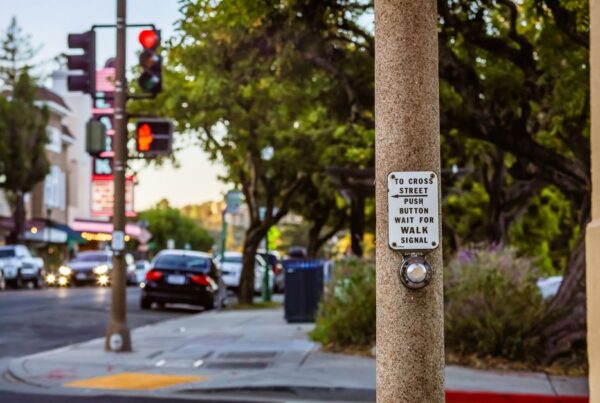
Navigating the Path Forward After a Tampa Pedestrian Accident
Walking through Tampa—whether you are enjoying the scenic views of Bayshore Boulevard, navigating the bustling streets of Downtown, or commuting near the University of South Florida—should be a safe and pleasant experience. However, the reality on our roads is often different. Pedestrians are among the most vulnerable road users, lacking the structural protection of a vehicle. When a collision occurs between a car and a person, the physical and emotional consequences are almost always life-altering.
If you or a loved one has been struck by a vehicle, you likely have more questions than answers. Who is responsible for the medical bills? What if the driver didn’t see you? How does Florida’s complex insurance system apply to someone who wasn’t even in a car? A dedicated Tampa pedestrian accident lawyer can help you decode these legal complexities, allowing you to focus on what matters most: your physical recovery and your family’s well-being.
The Growing Concern for Pedestrian Safety in Hillsborough County
Tampa and the surrounding Hillsborough County area have unfortunately seen a steady rise in pedestrian-related incidents. Several factors contribute to this trend, ranging from the city’s rapid growth and increased traffic density to the design of certain high-speed thoroughfares like Dale Mabry Highway, Kennedy Boulevard, and Hillsborough Avenue. These roads often feature wide lanes and high speed limits that can be intimidating and dangerous for those on foot.
Distracted driving is a primary culprit. In an era of constant connectivity, drivers are frequently looking at navigation apps or text messages rather than scanning for pedestrians at crosswalks or intersections. Furthermore, the rise of larger vehicles, such as SUVs and heavy trucks, means that when an impact does occur, the force is significantly greater, leading to more severe or even fatal outcomes. Understanding the local landscape of Tampa’s traffic patterns is essential when investigating these claims, as specific intersections have higher historical rates of accidents that may point to systemic safety failures.
Understanding Florida’s Pedestrian Right-of-Way Laws
Florida law provides specific protections for pedestrians, but it also imposes certain responsibilities. Generally, drivers have a “duty of care” to operate their vehicles safely and remain vigilant for others on the road. This duty is heightened when children or visually impaired individuals are present. Under Florida Statute 316.130, drivers are required to stop or yield to pedestrians in a crosswalk. However, pedestrians must also follow traffic signals and avoid stepping into the path of a vehicle so suddenly that it is impossible for the driver to yield.
It is important to note that Florida recently moved to a “modified comparative negligence” system. This means that if a pedestrian is found to be more than 50% at fault for the accident (for example, by darting into traffic outside of a crosswalk), they may be barred from recovering any compensation from the other party. If they are 50% or less at fault, their compensation is reduced by their percentage of blame. This legislative shift makes it more critical than ever to have a clear, evidence-based narrative of the accident to ensure you are not unfairly blamed for the negligence of a driver.
Insurance Recovery Paths for Injured Pedestrians
One of the most confusing aspects of a pedestrian accident in Florida is determining which insurance policy applies. Because Florida is a “no-fault” state, the first line of defense is often Personal Injury Protection (PIP) insurance. Even though you were not driving, the following rules typically apply:
- Your Own PIP: If you own a vehicle and carry PIP insurance, your own policy will likely cover the first $10,000 of your medical bills and lost wages, regardless of who was at fault.
- Household PIP: If you do not own a vehicle but live with a relative who does, you may be covered under their PIP policy.
- The Driver’s PIP: If neither you nor anyone in your household owns a vehicle, you may be eligible to receive PIP benefits from the insurance policy of the driver who hit you.
Beyond PIP, if your injuries are “permanent” or exceed the no-fault threshold—which is common in pedestrian cases due to their severity—you can pursue a claim against the driver’s bodily injury liability coverage. Additionally, if the driver is uninsured or their limits are too low to cover your damages, your own Uninsured/Underinsured Motorist (UM/UIM) coverage may become a vital resource. Navigating these overlapping layers of coverage requires a strategic approach to ensure no potential source of recovery is overlooked.
Critical Steps to Take After Being Struck by a Vehicle
The moments following a roadway accident are chaotic, but the actions you take can significantly impact both your health and your legal rights. If you are physically able, or if someone is with you who can help, consider the following checklist:
- Call 911 Immediately: Ensure that the Tampa Police Department or Hillsborough County Sheriff’s Office responds to the scene. A formal police report is a foundational piece of evidence.
- Seek Medical Attention: Adrenaline can mask serious injuries like internal bleeding or concussions. Visit an emergency room or urgent care immediately. Documenting your injuries right away establishes a clear link between the accident and your medical condition.
- Gather Scene Evidence: Take photos of the vehicle, the road conditions, any skid marks, and the surrounding area (including any obstructed views or missing signs).
- Identify Witnesses: Get the names and contact information of anyone who saw the collision. Their independent accounts can be invaluable if the driver tries to change their story later.
- Preserve Your Clothing and Shoes: Do not wash or discard the items you were wearing. They may contain traces of paint or exhibit damage that helps experts reconstruct the speed and angle of the impact.
- Avoid Direct Statements to Insurance Adjusters: The driver’s insurance company may contact you quickly, hoping for a statement they can use to minimize their liability. It is often best to let your legal representative handle these communications.
Common Injuries in Pedestrian Collisions
Without the protection of a steel frame or airbags, pedestrians often sustain “multisystem” trauma. This frequently includes orthopedic injuries like fractures of the pelvis, legs, and arms, which can require multiple surgeries and long-term physical therapy. Head injuries, including Traumatic Brain Injuries (TBI), are also prevalent, especially if the pedestrian’s head strikes the windshield or the pavement.
Soft tissue damage, such as ligament tears or severe road rash, can lead to permanent scarring and chronic pain. In the most tragic cases, these accidents result in wrongful death, leaving families to navigate a future without their loved one’s emotional and financial support. Because these injuries often require a lifetime of care, calculating the “true cost” of an accident—including future medical needs and diminished earning capacity—is a vital part of the legal process.
Building Your Case with Local Evidence
A successful claim depends on more than just the police report. In Tampa, we often look for additional layers of proof. This might include retrieving footage from nearby businesses, doorbell cameras, or city-managed traffic cameras. We also analyze the vehicle’s “black box” data if available, which can reveal the driver’s speed and braking patterns in the seconds before the collision.
In some instances, the road design itself may have played a role. If a crosswalk was poorly marked or if a traffic signal was malfunctioning, there might be a claim against a government entity. However, these claims involve much shorter deadlines and specific notice requirements, making early investigation essential.
Connecting Pedestrian Claims to Broad Legal Protections
Pedestrian accidents do not happen in a vacuum; they are often part of a broader pattern of negligence on our roads. For instance, a person struck while walking may also find that their situation relates to other areas of local law. If the driver was operating a commercial vehicle, the case might overlap with truck accidents, which involve federal regulations. If the collision occurred in a parking lot due to poor lighting or lack of signage, it could involve slip and fall or general premises liability principles.
In the most severe circumstances, these incidents lead to wrongful death claims, which are governed by specific Florida statutes regarding who can recover damages. Furthermore, if an insurance company refuses to act in good faith or denies a valid PIP claim, an insurance dispute may arise. Understanding how these different facets of personal injury law intersect allows for a more comprehensive approach to your recovery.
Frequently Asked Questions
What if the driver who hit me fled the scene?
Hit-and-run accidents are a serious crime in Florida, but they also complicate your civil recovery. In these cases, we work closely with law enforcement to identify the driver. If the driver remains unidentified, you can often turn to your own Uninsured Motorist (UM) coverage to pay for your medical bills and pain and suffering.
Can I still file a claim if I wasn’t in a crosswalk?
Yes. While being in a crosswalk provides stronger legal protection, drivers still have a duty to avoid hitting pedestrians wherever they are. If you were “jaywalking,” you might be assigned a percentage of fault under the modified comparative negligence rule, but as long as you are not more than 50% responsible, you can still seek a recovery.
How long do I have to file a lawsuit in Florida?
As of 2023, Florida has shortened the statute of limitations for most negligence claims, including pedestrian accidents, from four years to two years. It is vital to act quickly to ensure you do not lose your right to seek justice. Additionally, for PIP benefits, you must seek medical treatment within 14 days of the accident.
What if a Uber or Lyft driver hit me?
Rideshare accidents involve specific insurance tiers. If the driver was “on the app” or transporting a passenger, there is typically a $1 million liability policy in place. These cases can be more complex because they involve large corporate insurance structures, but the potential for recovery is often higher.
How much is my pedestrian accident case worth?
No ethical lawyer can guarantee a specific dollar amount. The value of your case depends on the severity of your injuries, the amount of your medical bills, your lost wages, and the clarity of the evidence regarding fault. We focus on ensuring that all your past and future needs are meticulously documented to seek the maximum compensation possible.
Choosing a Path Toward Healing
The physical pain of a pedestrian accident is often matched by the stress of mounting bills and insurance paperwork. You shouldn’t have to face this alone. By understanding your rights and the unique challenges of Florida’s legal landscape, you can make informed decisions about your future. Whether it’s navigating a complex PIP claim or taking a case to trial against a negligent driver, the goal is always the same: ensuring you have the resources you need to rebuild your life and secure your family’s future in the wake of a tragedy.

Share your details and we’ll follow up shortly.
Related Legal Resources
- Tampa Bicycle Accident Lawyer: Protecting Cyclists’ Rights in Florida
- Tampa Pedestrian Accident Lawyer: Navigating Your Recovery and Rights
- Tampa Bicycle Accident Lawyer | Florida Cyclist Rights & Injury Claims
- Tampa Motorcycle Accident Lawyer: Protecting Your Rights After a Crash
- Tampa Delivery Truck Accident Guide: Liability, Evidence, and Florida Law