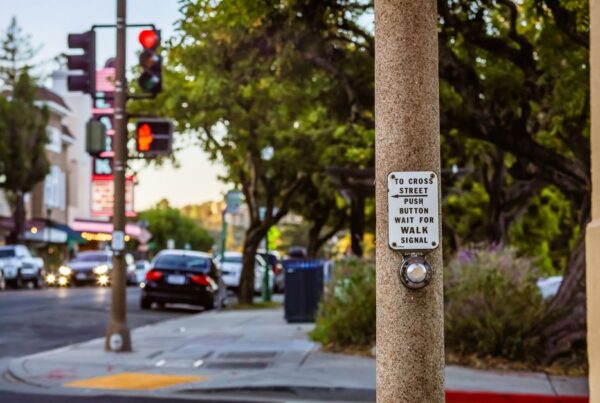
The High Stakes of Pedestrian Safety in Tampa

Tampa is a city defined by its vibrant outdoor lifestyle, from the scenic views along Bayshore Boulevard to the bustling streets of Ybor City and the Channel District. However, this growth has brought a significant challenge: a rise in dangerous interactions between motor vehicles and people on foot. Pedestrian accidents are rarely minor; when two tons of steel collide with a human body, the results are almost always life-altering. Understanding your rights in the aftermath of such an event is the first step toward reclaiming your stability.

Florida consistently ranks as one of the most dangerous states for pedestrians. In Hillsborough County alone, hundreds of pedestrians are injured or killed every year. These incidents often occur at busy intersections like those along Dale Mabry Highway or US-19, but they can just as easily happen in quiet residential neighborhoods. If you are reading this after an accident, know that the confusion and fear you feel are valid, but you do not have to navigate the legal and financial fallout alone.

Common Causes of Pedestrian Collisions in Hillsborough County

While every accident has a unique set of circumstances, several recurring factors contribute to pedestrian injuries in the Tampa Bay area. Identifying the cause of the crash is a critical component of building a successful legal claim. Drivers often fail to uphold their duty of care to those sharing the road, leading to preventable tragedies.

  • Failure to Yield at Crosswalks: Many drivers in Tampa do not stop for pedestrians waiting at marked or unmarked crosswalks, especially when making right-hand turns on red.
  • Distracted Driving: With the rise of smartphone use, drivers are frequently looking at screens instead of the road, missing the presence of a pedestrian until it is too late.
  • Speeding in Residential Areas: High speeds reduce a driver’s reaction time and significantly increase the force of impact, often leading to catastrophic injuries.
  • Impaired Driving: Alcohol and drugs remain leading contributors to late-night pedestrian accidents in entertainment districts like Soho or Downtown Tampa.
  • Poor Infrastructure: In some cases, inadequate lighting, lack of sidewalks, or malfunctioning traffic signals contribute to the danger, potentially involving government liability.

Understanding Florida Pedestrian Laws and Liability

Florida law provides specific protections for pedestrians, but it also imposes responsibilities. A common misconception is that the pedestrian “always has the right of way.” In reality, the law requires both drivers and pedestrians to exercise reasonable care. Drivers must yield to pedestrians in crosswalks, while pedestrians must avoid suddenly leaving a curb into the path of a vehicle that is so close it is impossible for the driver to yield.

A significant legal development in Florida is the shift to a modified comparative negligence system. Under this rule, if you are found to be more than 50% at fault for the accident (for example, by darting into traffic outside of a crosswalk), you may be barred from recovering any compensation from the other party. If you are 50% or less at fault, your recovery will be reduced by your percentage of responsibility. This makes the collection of evidence at the scene—such as traffic camera footage and witness statements—absolutely vital to protecting your claim.

The Path to Compensation: Insurance and Coverage Options

One of the most complex aspects of a pedestrian accident in Florida is determining which insurance policy applies. Florida is a “no-fault” insurance state, which primarily affects how your initial medical bills are paid. Navigating these layers of coverage requires a strategic approach to ensure no potential source of recovery is overlooked.

Personal Injury Protection (PIP)

If you own a vehicle in Florida, your own Personal Injury Protection (PIP) coverage will usually be the first to pay, covering 80% of your medical bills and 60% of lost wages up to $10,000, regardless of who caused the accident. If you do not own a car but live with a relative who does, you may be covered under their policy. If neither applies, the PIP policy of the driver who hit you may provide these benefits.

Bodily Injury Liability (BI)

Since PIP is often exhausted within days of a severe accident, you may need to file a claim against the at-fault driver’s Bodily Injury Liability insurance. This coverage is intended to pay for your pain and suffering, long-term medical care, and the full extent of your lost earning capacity. Unlike PIP, you must prove the driver was negligent to access these funds.

Uninsured/Underinsured Motorist Coverage (UM)

In many Tampa accidents, the at-fault driver may have insufficient insurance or flee the scene entirely (hit-and-run). If you have UM coverage on your own auto policy, it can act as a safety net, providing the compensation you would have received from the driver had they been properly insured. This is often the most critical coverage in pedestrian cases involving severe injuries.

Evidence That Matters: Building Your Case

To secure a fair settlement or verdict, you must present a compelling narrative supported by objective evidence. The moments and days following an accident are the most important for data collection. While your primary focus should be on your physical recovery, ensuring that certain pieces of information are preserved can make a significant difference in your legal outcome.

  • The Police Report: Ensure a report is filed by the Tampa Police Department or Hillsborough County Sheriff. This document contains the officer’s initial assessment of fault and contact information for everyone involved.
  • Medical Records: Immediate and consistent medical treatment is essential. Records from facilities like Tampa General Hospital or St. Joseph’s provide a clinical link between the accident and your injuries.
  • Visual Evidence: Photos of the vehicle damage, the location of the impact, your injuries, and the surrounding road conditions (including any obstructed signs) are powerful tools.
  • Witness Testimony: Neutral third parties who saw the accident can provide unbiased accounts that counter a driver’s attempt to shift blame.
  • Expert Analysis: In complex cases, accident reconstruction experts may be used to calculate vehicle speeds and movement patterns leading up to the crash.
  • Electronic Data: Modern vehicles often contain “black boxes” (Event Data Recorders) that log speed, braking, and steering inputs at the time of a collision.

The Impact of Severe Injuries

Pedestrians lack the structural protection of a vehicle, meaning the human body absorbs the full force of the impact. We often see injuries that require years of rehabilitation or permanent lifestyle adjustments. These include traumatic brain injuries (TBI), spinal cord damage leading to paralysis, multiple bone fractures, and internal organ damage. The cost of treating these injuries can easily exceed hundreds of thousands of dollars over a lifetime.

Beyond the physical pain, there is a profound emotional and financial toll. Families may lose their primary breadwinner, or an individual may find themselves unable to participate in the activities that once brought them joy. A comprehensive legal claim must account for these “non-economic” damages, ensuring that the full scope of your loss is acknowledged and compensated.

Navigating Related Legal Challenges in Tampa

A pedestrian accident is often just one facet of a broader personal injury landscape. Depending on the circumstances of your case, you may find that your situation intersects with other areas of Florida law. For instance, if the vehicle that struck you was a commercial delivery van, you might be dealing with a truck accident claim involving corporate liability. If the driver was working at the time of the crash, their employer might also be responsible. In the most tragic circumstances, where an accident results in a loss of life, families may need to pursue a wrongful death claim to secure their financial future. Our expertise also extends to car accidents, motorcycle crashes, and slip and fall incidents on poorly maintained properties, as well as complex insurance disputes when carriers refuse to honor valid claims.

Frequently Asked Questions

What if I was hit by a car while jaywalking in Tampa?

You may still be able to recover compensation. Florida’s modified comparative negligence law allows you to seek damages as long as you are not more than 50% at fault. Even if you were not in a crosswalk, a driver still has a duty to avoid hitting you if possible. Your recovery would be reduced by your percentage of fault.

How long do I have to file a lawsuit after a pedestrian accident?

Following recent changes to Florida law, the statute of limitations for most negligence claims, including pedestrian accidents, is generally two years from the date of the incident. It is critical to consult with a lawyer as soon as possible to ensure you do not miss this deadline, as failing to file on time will likely bar you from any recovery.

Will my health insurance pay for my injuries?

If you have PIP, it will be the primary payer for the first $10,000. After PIP is exhausted, your health insurance may cover additional costs. However, many health insurance companies will seek reimbursement (subrogation) from any settlement you receive from the at-fault driver’s insurance company.

What if the driver who hit me doesn’t have insurance?

If the driver is uninsured, you can look to your own Uninsured Motorist (UM) coverage if you have it. If you do not have UM and the driver has no assets, recovery can be difficult, but a thorough investigation may reveal other liable parties, such as a vehicle manufacturer or a government entity responsible for road maintenance.

Do I need a lawyer for a pedestrian accident claim?

While you can technically handle a claim on your own, pedestrian accidents involve high damages and complex insurance priority rules. Insurance adjusters often try to shift blame onto the pedestrian to reduce their payout. A lawyer can handle the investigations, negotiations, and litigation, allowing you to focus on your recovery.

The journey toward recovery after a pedestrian accident is often long and difficult. By understanding the legal framework in Tampa and Florida, you can make informed decisions that protect your health and your financial future. Whether you are dealing with insurance adjusters or facing a long road of physical therapy, remember that the law is designed to provide a path for those who have been wronged through no fault of their own.

My Law Tampa
Ready to speak with intake?

Share your details and we’ll follow up shortly.

Request Consultation

Related Legal Resources

Leave a Reply