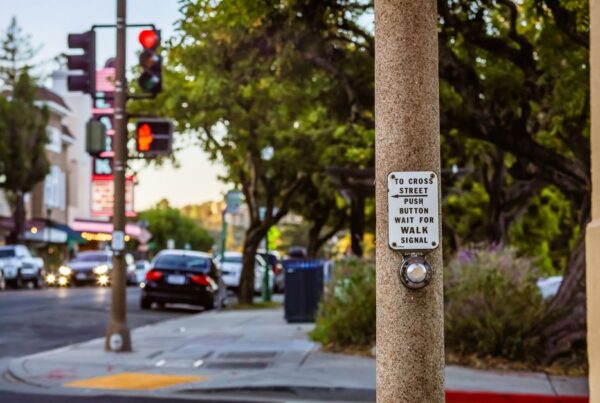
Protecting Pedestrians on Tampa’s Busy Roadways

Walking through Tampa should not be a high-risk activity, yet our city consistently ranks among the most dangerous for pedestrians in the United States. From the high-speed traffic on Hillsborough Avenue to the busy intersections surrounding USF and downtown, pedestrians are often left vulnerable to negligent drivers. When a person is struck by a vehicle, the results are rarely minor; the lack of protection leads to life-altering injuries that require immediate medical and legal attention.

If you or a loved one has been injured while walking, you are likely facing mounting medical bills, lost wages, and a long road to physical recovery. Navigating the legal landscape in Florida is particularly challenging due to recent changes in state laws and the unique structure of our insurance system. This guide is designed to help you understand your rights, identify the critical steps to take, and explain how a Tampa pedestrian accident lawyer can help you secure the resources you need to heal.

The Growing Danger for Tampa Pedestrians

Tampa’s infrastructure was largely built for automobiles, often leaving pedestrians as an afterthought. Busy thoroughfares like Dale Mabry Highway, Fletcher Avenue, and Kennedy Boulevard see thousands of vehicles daily, often traveling at speeds that make pedestrian survival unlikely in the event of a crash. Statistics from the Florida Department of Highway Safety and Motor Vehicles (FLHSMV) show that Hillsborough County continues to see hundreds of pedestrian-related injuries every year.

Common scenarios for these accidents include drivers failing to yield at marked crosswalks, vehicles making aggressive right-hand turns without checking for walkers, and distracted driving caused by smartphones. In many cases, the driver may claim they “never saw” the pedestrian, but in the eyes of the law, motorists have a high duty of care to avoid colliding with those on foot.

Immediate Steps Following a Pedestrian Collision

The minutes and hours following a pedestrian accident are critical for both your health and your potential legal claim. Because pedestrians have no protective shell like a car body or airbags, injuries that seem minor at first—like a dull headache or a sore hip—can quickly escalate into permanent conditions.

  • Seek Emergency Medical Care: Even if you believe you are fine, internal bleeding or traumatic brain injuries (TBI) may not show immediate symptoms. In Florida, you must seek medical treatment within 14 days to preserve your Personal Injury Protection (PIP) benefits.
  • Contact Law Enforcement: Ensure a police report is filed. This document serves as the official record of the incident and often contains the officer’s initial assessment of fault.
  • Gather Evidence at the Scene: If you are physically able, take photos of the vehicle, the intersection, any skid marks, and your injuries. If there were witnesses, collect their names and phone numbers.
  • Avoid Discussing Fault: Do not apologize or admit fault to the driver or their insurance company. Florida’s laws regarding negligence are complex, and a casual statement can be used against you later.

Understanding Florida’s Insurance Laws for Pedestrians

Florida is a “no-fault” insurance state, which often confuses pedestrian victims. Many people assume that if they weren’t in a car, car insurance doesn’t apply. This is incorrect. If you own a vehicle in Florida and have PIP coverage, your own insurance is typically the first line of defense for your medical bills, even if you were walking at the time of the accident.

If you do not own a vehicle, you may be covered under the PIP policy of a resident relative. If neither applies, you may be able to seek benefits from the insurance policy of the driver who hit you. Once PIP limits are exhausted—which happens quickly with major injuries—you can pursue a claim against the negligent driver’s bodily injury liability coverage. Because pedestrian injuries are often severe, these cases frequently exceed the basic $10,000 PIP limit, making it necessary to identify all available layers of insurance, including Uninsured Motorist (UM) coverage.

Proving Negligence and Florida’s Modified Comparative Fault

To recover compensation beyond PIP, you must prove that the driver was negligent. This involves demonstrating that the driver owed you a duty of care, breached that duty (e.g., by speeding or failing to yield), and caused your injuries as a result. However, Florida recently moved to a “modified comparative fault” system.

Under this rule, if a pedestrian is found to be more than 50% at fault for the accident (for example, by darting into traffic outside of a crosswalk), they are barred from recovering any damages from the other party. If you are 50% or less at fault, your recovery is reduced by your percentage of blame. This change makes it more important than ever to have a thorough investigation conducted by a Tampa pedestrian accident lawyer who can challenge unfair attempts by insurance companies to blame the victim.

Common Injuries and the Need for Documentation

Pedestrian accidents often result in “catastrophic” injuries. Unlike a car-to-car collision where the vehicle absorbs the impact, the pedestrian absorbs the full force of the thousands of pounds of steel. We frequently see cases involving:

  • Traumatic Brain Injuries (TBI): Ranging from concussions to permanent cognitive impairment.
  • Spinal Cord Damage: Which can lead to partial or total paralysis.
  • Complex Fractures: Often requiring multiple surgeries and hardware (screws and plates).
  • Degloving and Soft Tissue Damage: Resulting from the body sliding across asphalt.

Documenting these injuries requires more than just an initial ER visit. Long-term recovery often involves physical therapy, vocational rehabilitation, and psychological counseling for PTSD. A successful legal claim must account not just for current bills, but for the lifetime cost of care.

Dealing with Hit-and-Run Incidents in Tampa

Sadly, hit-and-run accidents are a significant problem in the Tampa Bay area. When a driver flees the scene, a pedestrian may feel hopeless. However, legal paths still exist. If the police can locate the driver, a civil suit can be filed alongside criminal charges. If the driver remains unidentified, you may still be able to recover through your own Uninsured Motorist (UM) coverage. This is a critical reason why we encourage all Tampa residents to include UM coverage in their auto insurance policies.

Frequently Asked Questions

Can I still file a claim if I wasn’t in a crosswalk?

Yes. While crossing at a designated crosswalk is the safest option, drivers still have a legal obligation to avoid hitting pedestrians wherever they are on the road. Under Florida’s comparative fault laws, you may still be eligible for compensation even if you were “jaywalking,” though your recovery might be reduced if your actions contributed to the accident.

How long do I have to sue for a pedestrian accident in Florida?

As of 2023, Florida has shortened the statute of limitations for most negligence claims, including pedestrian accidents, from four years to two years. It is vital to act quickly to ensure evidence is preserved and your right to file a lawsuit is protected.

What if the driver’s insurance company calls me?

You are not required to give a recorded statement to the driver’s insurance company. Their goal is often to find a reason to deny your claim or shift the blame onto you. It is best to have your lawyer handle all communications with insurance adjusters.

Who pays my medical bills if I don’t have car insurance?

If you don’t own a car, you may be covered by the PIP policy of a family member you live with. If that isn’t an option, the insurance of the driver who hit you is generally responsible for the initial $10,000 in PIP benefits. After that, you would pursue a bodily injury claim against the driver’s policy.

Connecting with Related Legal Needs

Pedestrian accidents are often part of a broader spectrum of traffic-related negligence. Many families who contact us are also dealing with the aftermath of car accidents or truck accidents that occurred in the same dangerous intersections. In the most tragic cases, these collisions lead to wrongful death claims, requiring a sensitive and comprehensive legal approach. Understanding how bicycle accidents and motorcycle accidents are handled in Florida can also provide context for the insurance challenges unique to unprotected road users.

Choosing the Right Path Forward

The physical and emotional toll of a pedestrian accident can be overwhelming. Between the pain of injury and the stress of financial instability, you should not have to fight insurance companies alone. A dedicated legal team can manage the investigation, deal with the adjusters, and ensure that every piece of evidence—from traffic camera footage to medical expert testimony—is used to build the strongest possible case for your recovery.

Focus on your healing and your family. By understanding your rights and the nuances of Florida law, you take the first step toward reclaiming your future after a devastating collision. While no amount of money can undo the trauma of an accident, securing a fair settlement ensures that you have the medical care and financial support necessary to move forward with dignity.

My Law Tampa
Ready to speak with intake?

Share your details and we’ll follow up shortly.

Request Consultation

Related Legal Resources

Leave a Reply