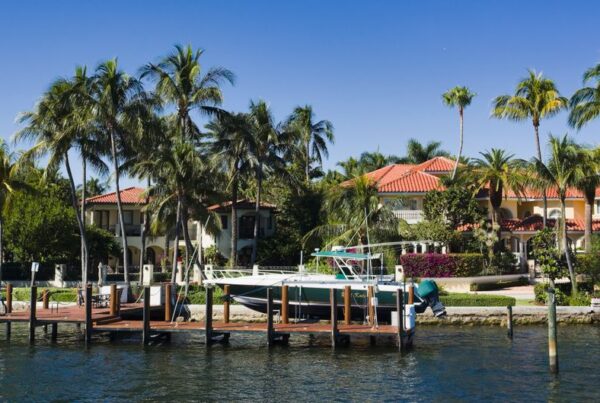
The Importance of a Real Estate Contract Review in Tampa
Buying or selling property in the Tampa Bay area is often one of the most significant financial transactions a person or business will ever make. With Tampa’s rapidly growing real estate market, properties in Hillsborough, Pinellas, and Pasco counties frequently change hands at a blistering pace. In this highly competitive environment, buyers and sellers can feel pressured to sign agreements quickly. However, treating a real estate contract as a mere formality can lead to devastating financial consequences.
A Florida real estate contract is a legally binding document that dictates every aspect of the transaction. From the moment you sign on the dotted line, you are locked into a specific set of obligations, timelines, and contingencies. A comprehensive Tampa real estate contract review helps ensure that your rights are protected, your financial exposure is minimized, and there are no hidden surprises waiting for you at the closing table.
Whether you are purchasing a waterfront home in South Tampa, investing in a commercial property in Ybor City, or selling a family estate, understanding the fine print is critical. Real estate agents provide invaluable assistance in marketing properties and negotiating prices, but they are not legally permitted to offer legal advice or interpret complex contractual liabilities. That is where a thorough legal review becomes an indispensable part of your real estate journey.
Understanding Florida’s FAR/BAR Contracts: Standard vs. “As-Is”
In Florida, most residential real estate transactions utilize standard forms approved by the Florida Realtors and The Florida Bar, commonly referred to as FAR/BAR contracts. While these templates provide a solid foundation, they are heavily customizable through checkboxes, addenda, and blank fill-in lines. Choosing the wrong contract or filling it out incorrectly can drastically alter your legal standing.
The FAR/BAR Standard Contract
The standard FAR/BAR contract includes built-in repair limits. Under this agreement, the seller is typically obligated to make certain repairs up to a pre-negotiated percentage of the purchase price (usually 1.5% for general repairs, 1.5% for wood-destroying organism damage, and 1.5% for permit-related issues). If a buyer’s inspection reveals defects, the seller may be required to fix them to proceed with the sale. While this can provide peace of mind for buyers, it often leads to disputes over the quality and necessity of repairs.
The FAR/BAR “As-Is” Contract
The FAR/BAR “As-Is” contract has become the dominant standard in the Tampa market. Under an “As-Is” agreement, the seller is not obligated to make any repairs. However, “As-Is” does not mean the buyer gives up their right to inspect the property. Instead, the buyer is granted a specific inspection period (often 15 days, though this is highly negotiable) during which they can conduct thorough inspections. If the buyer is dissatisfied with the condition of the property for any reason, they can cancel the contract within the inspection period and recover their earnest money deposit. Understanding exactly when this period begins and ends is paramount, as missing the deadline by even a few hours can result in the loss of a significant deposit.
Crucial Clauses Every Buyer and Seller Must Understand
A successful real estate transaction relies on a clear understanding of the contract’s specific clauses. During a professional contract review, several key areas require intense scrutiny:
- Effective Date and Timelines: The Effective Date is the starting point for nearly every deadline in the contract, from the initial escrow deposit to the inspection period and financing approval. Calculating this date incorrectly is one of the most common ways buyers default on an agreement.
- Financing and Appraisal Contingencies: Unless it is a cash transaction, the contract should include a financing contingency. This protects the buyer if their mortgage application is denied despite their good-faith efforts. Additionally, in fluctuating markets, an appraisal contingency ensures the buyer is not forced to make up a massive cash shortfall if the property appraises below the agreed-upon purchase price.
- Earnest Money and Escrow Disputes: The contract specifies how much earnest money is required and under what circumstances it can be forfeited. If a deal falls through, poorly drafted contingencies can lead to prolonged escrow disputes, tying up funds for months or even years.
- Riders and Addenda: Special circumstances require additional documentation. If the property is in a Homeowners’ Association (HOA) or Condominium Association, specific mandatory disclosure summaries must be provided. Failure to provide these disclosures under Florida law can give the buyer an absolute right to cancel the contract.
Navigating Title Issues and Closing Timelines
Even if the physical property is in perfect condition, legal defects attached to the property can derail a sale. Title issues are a frequent stumbling block in Tampa real estate transactions. A title search may reveal unrecorded municipal liens for code violations, unresolved boundary disputes, open permits from previous uncompleted renovations, or claims from unknown heirs.
A careful contract review establishes clear guidelines for how and when the seller must clear these title defects. The contract will dictate a “Title Evidence Deadline” and a specific cure period for the seller to resolve issues. If the seller cannot deliver clear and marketable title, the buyer may have the option to walk away or negotiate a price reduction.
Furthermore, closing timelines must be strictly monitored. Unlike some states, Florida real estate contracts often contain “Time is of the Essence” clauses. This means that a failure to perform an obligation by the exact date specified is considered a material breach of the contract. While parties can mutually agree to extend closing dates via a written addendum, neither party is obligated to do so unless specific force majeure (act of God) conditions apply—such as a named hurricane threatening the Tampa Bay area just before closing.
Commercial vs. Residential Contract Reviews in Florida
While residential contracts focus heavily on standard inspections and financing, commercial real estate transactions introduce an entirely different level of complexity and risk. Commercial contracts are rarely standardized; they are highly customized documents that require meticulous, line-by-line legal review.
Commercial contract reviews must address extensive due diligence periods, which may involve Phase I and Phase II environmental site assessments, traffic studies, and complex zoning and land use verifications. Furthermore, commercial properties are often sold subject to existing tenant leases. A thorough review will require analyzing estoppel certificates, which verify the terms of existing leases, rent rolls, and security deposits. Because commercial buyers do not enjoy the same consumer protection laws as residential homebuyers in Florida, the principle of caveat emptor (buyer beware) applies even more strictly. Overlooking a single clause in a commercial contract can cost a business hundreds of thousands of dollars.
Common Pitfalls That Lead to Costly Disputes
Without professional guidance, it is easy to stumble into contractual pitfalls that ultimately lead to litigation. Common issues include:
- Waiving Contingencies Too Early: Buyers eager to secure a property may waive their financing or inspection contingencies prematurely, exposing themselves to massive financial risk if their loan falls through or major structural issues are discovered.
- Undisclosed Property Defects: Florida law requires sellers of residential property to disclose any known facts that materially affect the value of the property and are not readily observable to the buyer (the Johnson v. Davis standard). Failing to disclose known issues like past sinkhole activity or extensive water damage can trigger serious legal action after the closing.
- Pre-Closing Property Damage: If a fire, major storm, or other disaster damages the property between the signing of the contract and the closing date, the contract must dictate who bears the risk of loss. Disagreements over repair obligations or insurance payouts can rapidly evolve into complex insurance disputes that require legal intervention.
- Unexpected Life Events: Sometimes transactions are complicated by unforeseen tragedies. If an owner passes away while under contract, the transaction may require coordination with attorneys managing probate or wrongful death claims to ensure the estate can legally transfer a clear title.
Frequently Asked Questions
Do I need a lawyer if I have a real estate agent?
Real estate agents are experts in the business and marketing aspects of buying and selling property, and they provide incredible value. However, agents are prohibited by law from providing legal advice, interpreting complex contractual language, or modifying standard contracts beyond filling in the blanks. A lawyer focuses purely on protecting your legal and financial interests, ensuring the language strictly serves your needs.
Can I back out of a Florida real estate contract after signing?
It depends entirely on the terms of the contract and the timeline. If you are using an “As-Is” contract and are still within the specified inspection period, you can typically cancel for any reason and have your deposit returned. If you are outside the inspection period but your financing contingency falls through despite your good faith efforts, you may also be protected. However, attempting to cancel without a valid contractual contingency can result in the loss of your earnest money deposit or even a lawsuit for specific performance.
What happens if the property appraises for less than the purchase price?
If your contract includes an appraisal contingency, a low appraisal allows you to either cancel the agreement and recover your deposit or renegotiate the purchase price with the seller. If you waived the appraisal contingency, or if you are paying cash without a specified appraisal contingency, you may be required to cover the gap between the appraised value and the purchase price out of your own pocket.
How long does a typical contract review take?
The timeline for a legal review depends on the complexity of the transaction. For a standard residential FAR/BAR contract, an attorney can often complete a thorough review and consultation within 24 to 48 hours. Commercial contracts or highly customized residential agreements involving substantial acreage, complex business entities, or existing tenant leases will naturally take longer to review and negotiate.
Protecting Your Tampa Property Investment
Navigating the Tampa real estate market requires more than just finding the perfect property or securing a willing buyer; it requires a proactive approach to risk management. The wording of your real estate contract will dictate the success of your transaction and your legal protections for years to come. Do not leave your financial future to chance or rely on verbal promises that are not written into the agreement. By investing in a comprehensive contract review before you sign, you gain clarity, leverage, and the peace of mind knowing that your Tampa property investment is secure.

Share your details and we’ll follow up shortly.
Related Legal Resources
- Resolving Landlord-Tenant Disputes in Tampa: A Comprehensive Legal Guide
- Tampa Real Estate Contract Review: Protecting Your Property Investment
- Resolving Landlord-Tenant Disputes in Tampa: A Florida Legal Guide
- Tampa Real Estate Contract Review: Protecting Your Investment Before You Sign
- Navigating Florida Landlord-Tenant Disputes in Tampa