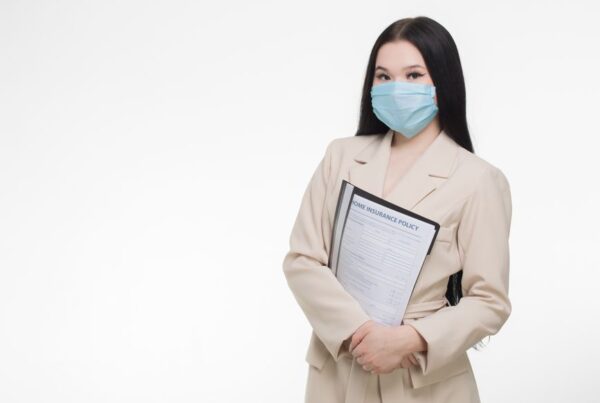
Understanding Florida Property Insurance Claims in Tampa
For residents of Tampa and the greater Hillsborough County area, living in paradise comes with the accepted reality of extreme weather. From sudden, severe summer thunderstorms to the looming threat of hurricanes from the Gulf of Mexico, Florida homes are regularly tested by the elements. When the skies clear and you are left with a damaged roof, flooded floors, or structural issues, your first instinct is to turn to the property insurance policy you have diligently paid for. However, navigating Florida property insurance claims can often feel as turbulent as the storms that caused the damage.
The property insurance landscape in Florida has undergone significant changes in recent years, making the claims process more complex for the average homeowner. Whether you are dealing with windstorm damage, water intrusion, fire, or suspected sinkhole activity, understanding your rights and responsibilities under your policy is crucial. This guide is designed to provide Tampa homeowners with practical, reliable information on how to manage property damage, effectively communicate with insurance adjusters, and protect their most valuable asset.
While this information serves as a comprehensive overview, every insurance policy is a unique contract. The specifics of your coverage, deductibles, and exclusions will dictate the trajectory of your claim. Being proactive, meticulously organized, and aware of the common pitfalls can significantly impact the outcome of your recovery efforts.
Immediate Steps After Discovering Property Damage
The actions you take in the first 48 hours following property damage are critical. Not only do these steps help ensure your family’s safety, but they also set the foundation for a successful insurance claim.
1. Ensure Safety First
Before assessing any property damage, ensure that the environment is safe. Beware of downed power lines, standing water that may conceal hazards or electrical currents, and compromised structural elements. If you suspect gas leaks or severe electrical issues, evacuate the premises immediately and contact emergency services. No property is worth risking your physical well-being.
2. Mitigate Further Damage
Virtually every Florida homeowner’s insurance policy includes a clause requiring the policyholder to “mitigate” or prevent further damage. This means you have a contractual duty to take reasonable steps to protect your property from getting worse after the initial event. If your roof is compromised, you should arrange for a professional to install a tarp. If a pipe has burst, shut off the main water valve and attempt to extract standing water. If a window is broken, board it up.
Failing to mitigate damage can give the insurance company grounds to deny a portion of your claim, arguing that the subsequent damage was preventable. However, do not begin permanent repairs until the insurance adjuster has had the opportunity to inspect the original damage.
3. Promptly Report the Claim
Notify your insurance company about the damage as soon as practically possible. Delaying your claim can raise suspicions and may even violate the terms of your policy, which usually requires “prompt” reporting. When you make the initial call, provide a factual, high-level summary of the damage. Avoid speculating about the cause if you are not certain, and do not minimize the extent of the loss.
The Art of Documenting Your Property Damage
In the realm of property insurance claims, evidence is everything. The burden of proof generally falls on you, the homeowner, to demonstrate the extent of your losses. Meticulous documentation is your best defense against underpayment or denial.
Photographic and Video Evidence: Before you clean up, throw anything away, or apply emergency tarps, take comprehensive photos and videos of the damage. Capture wide angles of the affected rooms and extreme close-ups of specific damage. If water has breached your home, photograph the water line on the walls. If your roof is missing shingles, safely photograph the yard and the roof structure. Video walkthroughs with your own narration describing what you see can be incredibly compelling evidence.
Create a Detailed Inventory: If personal property (furniture, electronics, clothing) has been damaged, create a rigorous inventory. List each item, its approximate age, its original purchase price, and its estimated replacement cost. If you have receipts, credit card statements, or pre-damage photos of these items, attach them to your inventory list. Never throw away damaged personal property until the field adjuster has explicitly told you it is okay to do so, preferably in writing.
Keep Track of All Expenses: Save every receipt related to the damage. This includes receipts for tarps, wet vac rentals, and emergency mitigation services. Furthermore, if your home is uninhabitable and you must stay in a hotel or secure a short-term rental, save all receipts for lodging, meals, and extra transportation costs. These may be reimbursable under the Additional Living Expenses (ALE) or Loss of Use coverage in your policy.
Working with Insurance Adjusters: What You Need to Know
Shortly after you file your claim, the insurance company will assign an adjuster to evaluate your loss. It is vital to understand that the adjuster sent by your insurance company works for the insurance company, not for you. Their job is to assess the damage and determine the company’s financial liability under the terms of your specific policy.
When the adjuster visits your Tampa home, be polite and cooperative, but remain vigilant. Point out all areas of damage, including secondary issues you may have discovered. Do not offer unsolicited opinions about the condition of your home prior to the event (e.g., “Well, that roof was getting old anyway”). Stick to the facts of the current damage.
You have the right to hire your own professionals to advocate on your behalf. Some homeowners choose to hire a public adjuster, who is licensed by the state of Florida to represent policyholders. Alternatively, consulting with an experienced property insurance attorney can provide you with legal leverage and ensure your rights are protected, especially if the claim is large or the insurance company is being uncooperative.
Common Mistakes Homeowners Make During the Claim Process
Navigating an insurance claim is fraught with potential missteps. Avoiding these common errors can save you significant time, money, and frustration.
- Failing to Read the Policy: Many homeowners assume they have comprehensive coverage only to discover exclusions after a disaster. Understanding your deductibles, limits, and exclusions (like flood vs. wind) is paramount.
- Rushing to Settle: Insurance companies may offer a quick, lowball settlement soon after the damage occurs. Accepting this check and signing a release can prevent you from seeking further funds if you discover hidden damage later, such as mold growth inside walls.
- Using Unlicensed Contractors: In the wake of a major Tampa storm, “storm chasers” often flood the area offering quick repairs. Always vet contractors thoroughly, ensure they are licensed and insured in Florida, and never sign an Assignment of Benefits (AOB) contract without fully understanding that you are signing away your rights to your claim.
- Poor Communication Records: Keep a detailed log of every interaction with your insurance company. Note the date, time, the name of the person you spoke with, and a summary of the conversation. Whenever possible, communicate via email to maintain a written paper trail.
Understanding Policy Exclusions and Coverages
Florida property insurance policies are notorious for their complex layers of coverage and strict exclusions. For Tampa residents, understanding the distinction between wind damage and flood damage is arguably the most critical factor.
Standard homeowner’s insurance policies typically cover windstorm damage, such as a hurricane tearing off your roof and rain entering through the opening. However, almost all standard policies explicitly exclude flood damage, which is defined as rising water from the ground up (such as storm surge from Tampa Bay or overflowing drainage canals). Flood insurance must be purchased as a separate policy, often through the National Flood Insurance Program (NFIP). Following a major hurricane, disputes frequently arise over whether the damage was caused by wind-driven rain (covered) or rising floodwaters (excluded).
Additionally, pay close attention to how your policy values your property. Replacement Cost Value (RCV) covers the cost to replace the damaged item with a new one of similar kind and quality without deducting for depreciation. Actual Cash Value (ACV) pays the replacement cost minus depreciation, meaning you will receive less money for older items or an older roof. Knowing which valuation method applies to your claim dictates what you can realistically expect to recover.
When Good Claims Go Bad: Denials and Underpayments
It is an unfortunate reality that valid insurance claims are sometimes wrongfully denied, delayed, or significantly underpaid. Insurance companies are businesses driven by profit margins, and they often employ strict interpretations of policy language to minimize payouts.
If you receive a denial letter or an estimate that falls far short of your contractor’s repair bids, do not assume it is the final word. You have the right to dispute their findings. Start by demanding a clear, written explanation of why the claim was denied or underpaid, pointing to the specific policy language they are relying upon. Often, providing additional documentation, engineering reports, or revised estimates from licensed professionals can force the insurer to re-evaluate their position.
If the insurance company engages in bad faith tactics—such as unreasonable delays, failing to conduct a thorough investigation, or blatantly misrepresenting the policy terms—you may need to escalate the matter. Florida law provides mechanisms for policyholders to hold insurers accountable, up to and including litigation.
Related Legal Matters: How Property Damage Connects
Property damage events rarely happen in a vacuum, and they can sometimes intersect with other areas of law. For instance, if you are a renter in Tampa and your landlord fails to address structural damage or mold following a water leak, it could evolve into a premises liability dispute if you or a family member falls ill or is injured. Similarly, unaddressed storm damage on a commercial property can lead to slip and fall accidents if the public is exposed to hazards. Understanding that property integrity is closely tied to personal safety is important. If you find yourself dealing with the aftermath of an accident on a dangerous property, or if your insurance dispute escalates into a complex civil litigation matter involving bad faith insurance practices or wrongful death due to severe structural collapse, the legal strategies often share common threads of evidence gathering and proving negligence or breach of contract.
Frequently Asked Questions
How long do I have to file a hurricane damage claim in Florida?
Florida law sets strict deadlines for reporting property insurance claims. Generally, you must report a claim, supplemental claim, or reopened claim for windstorm or hurricane damage within a specific timeframe after the hurricane makes landfall. Recent legislative changes have shortened these windows, often requiring notice within one year for initial claims and 18 months for supplemental claims. It is critical to consult current Florida statutes or a legal professional, as missing this deadline can bar your recovery completely.
Do I have to use the repair company my insurance recommends?
No. While your insurance company may provide a list of “preferred vendors” or recommended contractors, you are not legally obligated to use them. You have the right to hire any licensed and insured contractor of your choosing. It is often beneficial to get independent estimates to ensure the insurance company’s preferred vendor is not cutting corners to keep costs down for the insurer.
What if the insurance company’s estimate is lower than my contractor’s?
This is a very common scenario. Insurance adjusters often use standardized estimating software that may not accurately reflect current local labor rates and material costs in Tampa. If there is a discrepancy, submit your contractor’s detailed, line-item estimate to the adjuster and ask them to reconcile the differences. If an agreement cannot be reached, you may need to invoke the appraisal clause in your policy or seek legal intervention.
Does flood insurance cover wind-driven rain?
No. Flood insurance specifically covers damage caused by rising water (water that touches the ground before entering your home). Wind-driven rain—where wind pushes rain through a window, roof, or wall directly into the home—is generally covered under your standard homeowner’s policy. The distinction is crucial and is often a major point of contention after a severe Florida storm.
When should I contact a Tampa property insurance lawyer?
You should consider contacting a lawyer if your claim is denied, significantly delayed (more than 90 days without a valid explanation), or grossly underpaid. Additionally, if you are facing complex issues involving both wind and flood damage, or if the insurance company is demanding an Examination Under Oath (EUO), having legal representation can level the playing field and protect your interests.
Dealing with property damage is stressful enough without having to fight a complex battle with your insurance company. By understanding your policy, documenting everything meticulously, and knowing when to push back against low estimates or unfair denials, you can protect your investment and restore your home. Remember that patience, persistence, and thorough preparation are your most effective tools in the claims process.

Share your details and we’ll follow up shortly.
Related Legal Resources
- Tampa Insurance Dispute Lawyer: Fighting for Your Right to Fair Compensation
- Help With a Denied Insurance Claim in Tampa: Protecting Your Rights
- Navigating Property Insurance Claims in Florida: A Practical Guide for Tampa Homeowners
- Tampa Insurance Dispute Lawyer: Fighting Denied and Underpaid Claims
- Help With a Denied Insurance Claim in Tampa: Your Next Steps