Understanding Pedestrian Accidents in the Tampa Bay Area

Walking through Tampa—whether you are enjoying the scenic views of Bayshore Boulevard, commuting in Downtown Tampa, or navigating the busy streets near the University of South Florida—should be a safe experience. However, Florida consistently ranks among the most dangerous states for pedestrians. When a vehicle strikes a person on foot, the results are almost always catastrophic. Unlike occupants of a car, pedestrians have no steel cage, airbags, or seatbelts to absorb the force of an impact.

Navigating the aftermath of such an event is overwhelming. Between medical treatments, lost wages, and the complexities of Florida insurance law, victims often feel lost. Understanding your rights as a pedestrian in Tampa is the first step toward recovery. Florida law provides specific protections for those on foot, but securing those protections requires a clear strategy and an understanding of how local courts and insurance companies operate.

Common Scenarios for Pedestrian Collisions in Tampa

Pedestrian accidents rarely happen without a cause, and more often than not, driver negligence is the primary factor. In the bustling environment of Tampa, several specific scenarios lead to these devastating collisions. Identifying the cause of the accident is crucial for establishing liability and pursuing a claim for damages.

Failure to Yield at Marked Crosswalks

Florida law is clear regarding marked crosswalks: drivers must yield to pedestrians who are lawfully within the crossing. Unfortunately, many drivers in Tampa are in a hurry or simply fail to scan the road ahead. Whether it is a mid-block crossing on Kennedy Boulevard or a signalized intersection in Ybor City, a driver’s failure to stop for a pedestrian is a leading cause of injury.

Turning Vehicles and “Right on Red” Hazards

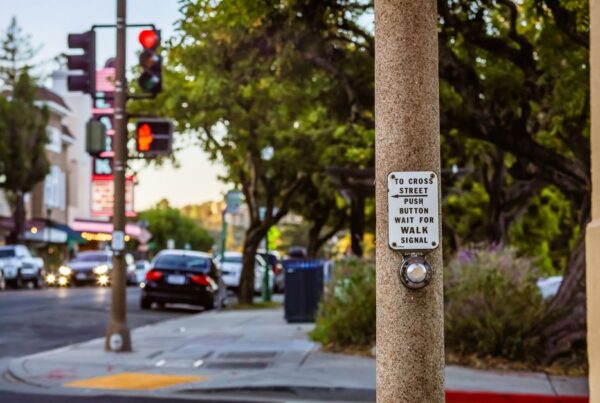
Many accidents occur when a driver is making a right-hand turn at a red light. Drivers often look left for oncoming traffic but fail to look right to see if a pedestrian has started to cross the street with the walk signal. Similarly, left-turning vehicles may overlook pedestrians in the far crosswalk while they are focused on timing their turn through a gap in traffic.

Distracted Driving and Speeding

With the prevalence of smartphones, distracted driving has reached epidemic proportions. A driver looking at a screen for even two seconds can travel the length of a football field, completely missing the presence of someone in the roadway. When combined with speeding—especially in residential areas or school zones—the force of the impact increases significantly, often leading to permanent or fatal injuries.

Florida Pedestrian Laws: What You Need to Know

In Florida, the relationship between pedestrians and drivers is governed by a set of statutes designed to maintain order and safety. While it is a common misconception that the “pedestrian always has the right of way,” the law actually focuses on who must yield under specific circumstances. For example, pedestrians are required to use sidewalks where provided and must not leave a curb or place of safety so suddenly that a driver cannot yield.

However, drivers have a “due care” obligation. Even if a pedestrian is not in a marked crosswalk, Florida Statute 316.130 dictates that every driver shall exercise due care to avoid colliding with any pedestrian and shall give warning by sounding the horn when necessary. This means that a driver cannot simply hit someone because they were “jaywalking”; the driver still has a responsibility to be observant and avoid the collision if possible.

The Role of Comparative Fault in Florida

Florida follows a modified comparative negligence system. This means that if a pedestrian is found partially at fault for the accident (for example, by crossing against a light), their recovery may be reduced by their percentage of fault. If the pedestrian is more than 50% responsible for the accident, they may be barred from recovering any damages from the other party. This makes the documentation of the scene and witness statements incredibly important to ensure fault is attributed fairly and accurately.

Critical Steps to Take After a Pedestrian Accident

If you or a loved one has been involved in a pedestrian accident in Tampa, the actions you take in the hours and days following the event can significantly impact your physical recovery and your legal rights. While your health is the absolute priority, following these steps can help preserve evidence that might otherwise be lost.

  • Seek Immediate Medical Attention: Adrenaline can mask severe internal injuries, such as organ damage or traumatic brain injuries. Even if you feel “okay,” a professional medical evaluation is essential.
  • Contact Law Enforcement: Ensure a police report is filed. The officer’s documentation of the scene, weather conditions, and initial fault determinations are vital pieces of evidence.
  • Gather Information: If you are physically able, take photos of the vehicle, the intersection, any skid marks, and your injuries. Collect the names and contact information of any witnesses.
  • Preserve Your Clothing and Gear: Do not wash or discard the clothes you were wearing or any items you were carrying (like a backpack or phone) during the accident. They may contain evidence of the impact.
  • Avoid Giving Statements to Insurers: The driver’s insurance company may call you quickly to ask for a recorded statement. It is often best to decline this until you have consulted with a legal professional.

Insurance Recovery Paths for Pedestrians in Florida

One of the most confusing aspects of a pedestrian accident is determining which insurance policy pays for the medical bills. Florida is a “no-fault” state, which primarily applies to Personal Injury Protection (PIP) coverage. The way this applies to a person on foot is unique compared to a standard car-on-car collision.

Personal Injury Protection (PIP) for Pedestrians

If you own a vehicle in Florida, your own PIP insurance typically covers you if you are struck as a pedestrian. If you do not own a vehicle but live with a relative who does, you may be covered by their PIP policy. If neither of those applies, you may be able to seek PIP benefits through the insurance policy of the driver who hit you. PIP generally covers 80% of medical bills and 60% of lost wages, up to a $10,000 limit, provided you seek treatment within 14 days.

Seeking Compensation via the Driver’s Bodily Injury Liability

Since pedestrian injuries are often severe, the $10,000 provided by PIP is rarely enough. To recover additional costs—such as the remaining 20% of medical bills, future medical care, and pain and suffering—you must pursue a claim against the driver’s Bodily Injury (BI) liability coverage. Unlike PIP, BI is not mandatory for all drivers in Florida, which can make these cases challenging if the driver is underinsured.

Uninsured and Underinsured Motorist Coverage

If the driver who hit you does not have insurance or has limits that are too low to cover your damages, you may turn to your own Uninsured Motorist (UM) coverage. This is an optional but highly recommended part of a Florida auto policy. It acts as a safety net, providing the compensation the at-fault driver’s insurance cannot provide.

Handling Hit-and-Run Pedestrian Accidents in Tampa

Unfortunately, Tampa sees a high number of hit-and-run incidents where the driver flees the scene to avoid responsibility. In these cases, the path to recovery shifts. Law enforcement will investigate to find the driver, but if they remain unidentified, your primary source of recovery will be your own insurance policies, specifically PIP and UM coverage. If you were a victim of a hit-and-run, it is imperative to report the crime immediately, as most insurance policies require a police report to be filed within a very short timeframe to trigger UM benefits.

Documenting Your Injuries and Damages

In a legal claim, your injuries must be proven through objective evidence. For pedestrians, injuries often include bone fractures, spinal cord damage, road rash, and concussions. Long-term recovery might require physical therapy, multiple surgeries, or even permanent modifications to your home. Keeping a detailed log of your pain levels, your medical appointments, and how the injuries affect your daily life (such as the inability to play with your children or go to work) provides a human element to the clinical medical records.

Frequently Asked Questions

Can I still recover compensation if I wasn’t in a crosswalk?

Yes. While being in a crosswalk provides stronger legal protections, drivers still have a duty to avoid hitting pedestrians regardless of where they are. If you were “jaywalking,” you might be found partially at fault, but under Florida’s comparative negligence laws, you may still be able to recover a portion of your damages from the driver.

How long do I have to file a pedestrian accident claim in Florida?

In Florida, the statute of limitations for most personal injury claims is two years from the date of the accident. However, there are nuances depending on whether the claim is against a private individual or a government entity (like a city bus). It is critical to act quickly to ensure evidence is preserved and deadlines are met.

What if the driver’s insurance company offers me a settlement right away?

Be cautious. Early settlement offers are often “nuisance value” offers designed to close the case for as little money as possible. Once you sign a release, you cannot go back for more money if your injuries turn out to be more severe than you initially thought. It is usually wise to wait until you have reached Maximum Medical Improvement (MMI) before settling.

What are the most dangerous intersections for pedestrians in Tampa?

While an accident can happen anywhere, certain areas like Hillsborough Avenue, Fletcher Avenue, and the intersections around USF and Downtown Tampa are known for higher rates of pedestrian incidents. Local knowledge of these areas can be helpful when reconstructing how an accident occurred.

Who pays my medical bills if the driver is never found?

In hit-and-run cases, your own insurance policies—specifically PIP and UM coverage—are the primary sources for medical bill payments. If you do not have auto insurance, you may be covered by a resident relative’s policy. Your health insurance may also play a role after PIP is exhausted.

Exploring Your Legal Options and Related Concerns

Pedestrian accidents are often just one piece of a broader safety issue on our roads. If you are dealing with the aftermath of a collision, you might also find it helpful to understand related areas of Florida law. For instance, if the accident involved a commercial vehicle, different regulations apply. If a loved one was lost in a collision, you may need to look into wrongful death claims. Other related topics include bicycle accidents, motorcycle collisions, and general insurance disputes regarding coverage limits and bad faith practices.

Understanding the full scope of your situation allows you to make informed decisions. Whether you are navigating a car accident claim as a walker or dealing with the complexities of a truck accident, the goal is always the same: ensuring your health and financial stability are protected for the long term.

The path to recovery after a pedestrian accident is rarely a straight line. It involves physical healing, emotional processing, and a complex legal journey. By understanding the rules of the road in Tampa and the insurance pathways available in Florida, you can move forward with greater confidence. Remember that you do not have to navigate this process alone; support is available to help you advocate for the justice and care you deserve.

My Law Tampa
Ready to speak with intake?

Share your details and we’ll follow up shortly.

Request Consultation

Related Legal Resources

Leave a Reply