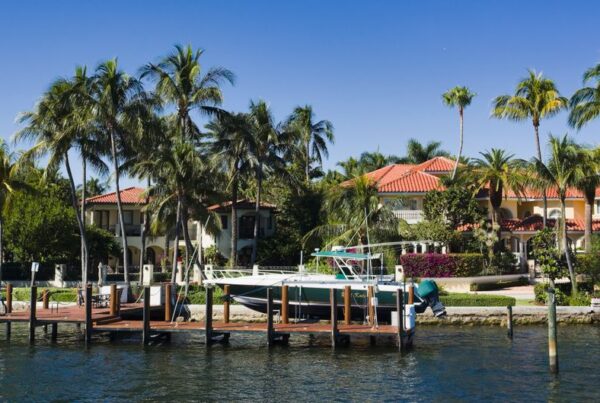
Navigating the Stakes of Tampa Real Estate Transactions

In the vibrant Tampa Bay real estate market, a contract is far more than a formality; it is a binding legal roadmap that defines your financial future. Whether you are purchasing a bungalow in Seminole Heights, a high-rise condo in Downtown Tampa, or a commercial warehouse near the Port of Tampa, the terms of your agreement will dictate your rights, obligations, and potential liabilities. Without a meticulous legal review, parties often find themselves tethered to unfavorable terms that could have been negotiated or clarified before the ink dried.

Florida real estate law has unique nuances, from specific disclosure requirements to the widespread use of standardized forms that may not always serve your specific interests. A professional real estate contract review ensures that the language matches your intent and that you are protected against the ‘what-ifs’ of property ownership. In this guide, we explore the essential elements of contract review in Florida and why local expertise is critical for a successful closing.

The Distinction Between Residential and Commercial Contracts

In Tampa, the approach to a contract varies significantly depending on the property type. Most residential transactions utilize the ‘FAR/BAR’ contracts, which are jointly developed by the Florida Realtors and The Florida Bar. While these forms are comprehensive, they come in two primary versions: the ‘Standard’ contract and the ‘As-Is’ contract. Choosing between them—and understanding the subtle boxes checked within them—can change the dynamic of your inspection period and repair obligations.

Commercial real estate contracts, however, are rarely standardized. These agreements are often custom-drafted to account for complex variables such as zoning laws, environmental assessments, rent rolls, and tenant estoppel certificates. Because commercial deals involve higher stakes and fewer consumer protection laws, a line-by-line review is not just recommended; it is a vital part of due diligence. Investors must ensure that the contract provides adequate time for feasibility studies and that the seller’s representations regarding the property’s income-producing potential are legally enforceable.

Understanding the ‘As-Is’ Trap in Florida

The ‘As-Is’ Residential Contract for Sale and Purchase is the most common form used in Tampa today. Many buyers mistakenly believe that ‘As-Is’ means they have no recourse if a problem is found. In reality, the ‘As-Is’ contract provides a powerful right: the ability to cancel the contract for any reason during the inspection period. However, once that period expires, the buyer typically accepts the property in its current condition, including any latent defects that were not disclosed.

A legal review helps buyers define the scope of their inspection and ensures the seller has complied with the Johnson v. Davis disclosure requirements—a Florida Supreme Court ruling that requires sellers to disclose any known facts materially affecting the value of the property that are not readily observable. For sellers, contract review is equally important to ensure they are not over-promising or assuming liability for conditions they were unaware of.

Critical Clauses and Contingencies to Monitor

A well-drafted contract should act as a shield. During a review, several key clauses require focused attention to prevent ‘costly surprises’ at the closing table:

  • Financing Contingencies: This clause protects the buyer’s deposit if they are unable to secure a loan. It must specify the loan amount, interest rate, and the exact window of time allowed to obtain a commitment letter.
  • Inspection Periods: In the competitive Tampa market, inspection periods are often shortened to make an offer more attractive. We look for a balance that allows for structural, roofing, and wood-destroying organism (termite) inspections.
  • Title and Survey Requirements: The contract should mandate that the seller provide a clear and marketable title. This involves reviewing the title commitment for easements, encroachments, or old liens that could cloud your ownership.
  • Force Majeure: Given Florida’s susceptibility to hurricanes, the ‘Force Majeure’ clause is essential. It defines how the parties proceed if a major storm damages the property or closes the county recording offices right before closing.

Title Issues and Survey Scrutiny in Tampa

One of the most overlooked aspects of a real estate transaction is the title search. A title search in Hillsborough County may reveal issues that a standard realtor-led process might miss, such as municipal lien searches for unpermitted work or utility easements that prevent you from building a pool or an addition. During a contract review, we ensure that the ‘Title Evidence’ section gives the buyer enough time to object to any findings and requires the seller to cure those defects before closing.

Similarly, a survey is a visual representation of the legal description of the property. It confirms that the fences are on the property line and that the neighbor’s driveway isn’t encroaching onto your lot. If the contract doesn’t specifically address how survey defects are handled, you might be forced to accept a property with significant boundary issues.

Florida-Specific Disclosures and Fees

Tampa residents must be aware of several local and state-specific financial factors that must be addressed in the contract. For instance, many newer developments in areas like Westchase or FishHawk Ranch are subject to Community Development District (CDD) fees. These are in addition to standard HOA dues and can add thousands of dollars to a homeowner’s annual tax bill. The contract must explicitly disclose whether these fees exist.

Additionally, Florida law requires disclosures for radon gas, lead-based paint (for older homes in areas like Hyde Park), and property tax disclosures. The ‘Property Tax Disclosure’ is particularly important for buyers; it warns that the seller’s current tax bill may not reflect what the buyer will pay in the future due to the ‘Save Our Homes’ assessment cap, which resets upon the sale of the property.

Internal Linking and Related Legal Considerations

Real estate transactions often intersect with other legal areas. For example, if a contract dispute arises that cannot be resolved through negotiation, you may need to explore real estate litigation to enforce your rights or recover an escrow deposit. If you are purchasing property as part of a business expansion, our expertise in business law and entity formation can help ensure the property is held in a way that minimizes liability. Furthermore, if you encounter issues with property damage prior to closing that the seller refuses to address, it may involve complex insurance disputes that require legal intervention to resolve.

Frequently Asked Questions

How long does a typical real estate contract review take?

In most cases, a thorough legal review can be completed within 24 to 48 hours. Because many Florida contracts have a three-day window for attorney review or short inspection periods, it is crucial to contact a lawyer as soon as you have a draft agreement or a signed contract.

Can I back out of a contract if the appraisal comes in low?

Only if your contract includes an appraisal contingency. In a ‘hot’ market, some buyers waive this, which means they must cover the ‘gap’ between the appraised value and the purchase price in cash. We highly recommend keeping this contingency to protect your investment.

What is the difference between an HOA and a CDD?

An HOA (Homeowners Association) is a private entity that manages a community’s aesthetics and common areas. A CDD (Community Development District) is a local, special-purpose government framework authorized by Florida law to finance infrastructure. CDD fees appear on your property tax bill and are often used to pay back bonds used for roads and utilities.

Does the seller have to fix everything found in the inspection?

In an ‘As-Is’ contract, the seller is not obligated to fix anything. However, the buyer can use the inspection report to negotiate a price reduction or a repair credit. In a ‘Standard’ contract, the seller may be required to spend a certain percentage of the purchase price on ‘General Repair Items,’ ‘WDO Repair Items,’ and ‘Closing Out Permits.’

Why do I need a lawyer if the title company is handling the closing?

A title company’s primary job is to issue insurance and facilitate the exchange of funds; they do not represent your individual interests or provide legal advice. A lawyer reviews the contract to ensure the terms are fair to you and can provide guidance if the deal goes south or if a title defect is discovered.

The Value of Local Expertise in Tampa Property Deals

Buying or selling real estate in Tampa is a significant milestone, but the complexity of Florida law means that small errors in a contract can lead to major financial losses. From understanding the nuances of Hillsborough County property taxes to navigating the ‘As-Is’ inspection period, having an advocate who understands the local landscape is indispensable. By investing in a professional contract review, you are not just buying a property; you are securing peace of mind and ensuring that your legal rights are protected from the initial offer to the final handshake at closing.

My Law Tampa
Ready to speak with intake?

Share your details and we’ll follow up shortly.

Request Consultation

Related Legal Resources

Leave a Reply