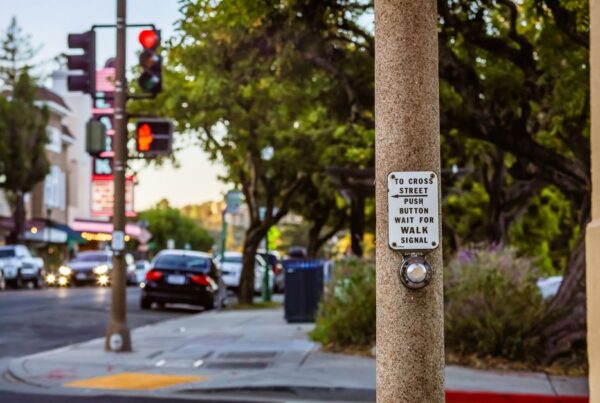
Navigating the Recovery Process After a Tampa Pedestrian Accident
Walking through Tampa—whether you are enjoying the scenic views along Bayshore Boulevard, commuting through Downtown, or navigating the busy streets near the University of South Florida—should be a safe experience. However, the reality of Florida’s traffic landscape is often much harsher for those on foot. Pedestrians are inherently vulnerable, lacking the structural protection of a vehicle, which often leads to catastrophic injuries when a collision occurs.
If you or a loved one has been struck by a vehicle, you are likely facing a mountain of medical bills, physical pain, and overwhelming uncertainty about the future. Understanding the legal landscape in Hillsborough County is the first step toward regaining control. This guide is designed to provide practical, reliable information on how Florida law protects pedestrians and the specific paths available for seeking financial and medical recovery.
Common Causes of Pedestrian Collisions in Tampa
Tampa consistently ranks among the most dangerous areas in the country for pedestrians. Identifying why these accidents happen is crucial for building a strong legal case. Most collisions are the result of driver negligence, often involving one of the following factors:
- Failure to Yield at Crosswalks: Many drivers in Tampa fail to recognize that pedestrians have the right of way in marked crosswalks. This is especially common at intersections during right-hand turns.
- Distracted Driving: With the prevalence of smartphones, drivers frequently take their eyes off the road. A split second of distraction on a busy road like Dale Mabry Highway can be fatal for a person crossing the street.
- Turning Vehicles: Left-hand turns are statistically more dangerous for pedestrians, as drivers are often focused on navigating through an opening in oncoming traffic rather than checking for people in the crosswalk.
- Speeding in Residential Zones: High speeds in neighborhoods or school zones significantly reduce a driver’s ability to stop in time to avoid a collision.
- Impaired Driving: Alcohol and drugs remain a leading cause of late-night pedestrian accidents, particularly in high-traffic entertainment districts like Ybor City or SoHo.
Understanding Florida Pedestrian Laws and Right of Way
Florida law provides specific protections for pedestrians, but it also outlines responsibilities for those walking along or across the road. Generally, Florida Statutes require drivers to exercise “due care” to avoid colliding with any pedestrian. This means that even if a person is not in a marked crosswalk, a driver must take all reasonable actions to avoid hitting them.
However, pedestrians are expected to use sidewalks where available and cross at designated intersections. If you were crossing outside of a crosswalk, you may still be entitled to compensation under Florida’s comparative negligence system. As of 2023, Florida follows a “modified comparative negligence” rule. This means that as long as you are not more than 50% at fault for the accident, you can still recover damages, though your recovery will be reduced by your percentage of fault. If you are found to be more than 50% responsible, you may be barred from recovering damages from the other party.
Immediate Steps to Take After Being Struck by a Vehicle
The actions you take in the minutes and days following a pedestrian accident can significantly impact your health and your legal claim. If you are physically able, follow these steps:
- Call 911 Immediately: A police report is an essential piece of evidence. Ensure the officer records your version of events and documents any visible injuries or road conditions.
- Seek Medical Attention: Even if you feel “fine” or only have minor bruising, you must be evaluated by a professional. Internal injuries or traumatic brain injuries (TBIs) may not show symptoms immediately but can be life-threatening.
- Gather Evidence at the Scene: Take photos of the vehicle that hit you, the surrounding intersection, any skid marks, and your own injuries. If there are witnesses, ask for their names and contact information.
- Do Not Admit Fault: Avoid making statements like “I didn’t see you” or “I’m sorry” to the driver or the police. These statements can be used against you later to shift blame.
- Contact a Tampa Pedestrian Accident Lawyer: Before speaking with insurance adjusters, consult with a legal professional who can protect your rights and handle the complex communication with insurance companies.
Insurance Coverage Paths for Injured Pedestrians
One of the most confusing aspects of a pedestrian accident is determining which insurance policy applies. In Florida, the “no-fault” system often comes into play even if you weren’t driving. Here is how coverage typically flows:
Your Own Personal Injury Protection (PIP)
If you own a vehicle in Florida, your own PIP insurance will likely cover the first $10,000 of your medical bills and lost wages, regardless of who was at fault. This applies even though you were a pedestrian at the time of the accident. If you do not own a car but live with a relative who does, you may be covered under their policy.
The Driver’s Insurance
If your injuries are “permanent” or exceed the limits of your PIP coverage, you can file a claim against the driver’s Bodily Injury Liability (BIL) insurance. This coverage is intended to pay for your remaining medical costs, future treatments, and non-economic damages like pain and suffering. Unlike PIP, you must prove the driver was at fault to access these funds.
Uninsured Motorist (UM) Coverage
Unfortunately, many drivers in Florida carry little to no liability insurance. If you were hit by an uninsured driver or were the victim of a hit-and-run, your own Uninsured/Underinsured Motorist (UM) coverage can step in to provide the compensation you need. This is one of the most vital coverages a resident can carry in Tampa.
The Long-Term Impact of Pedestrian Injuries
Pedestrian accidents often result in injuries that require months or even years of rehabilitation. We commonly see cases involving:
- Traumatic Brain Injuries (TBI): Ranging from concussions to severe cognitive impairment, these injuries can alter a person’s personality and ability to work.
- Spinal Cord Damage: Collisions can lead to paralysis or chronic nerve pain, necessitating lifelong care and home modifications.
- Orthopedic Fractures: Broken legs, hips, and pelvises are common when a pedestrian is struck by a vehicle’s bumper.
- Soft Tissue Damage: Deep lacerations and “road rash” can lead to permanent scarring and infection risks.
A comprehensive legal claim accounts not just for current hospital bills, but for the cost of future physical therapy, lost earning capacity, and the emotional toll the accident has taken on your quality of life.
How a Legal Professional Builds Your Case
Proving negligence in a pedestrian accident requires a thorough investigation. A skilled lawyer will often perform the following tasks:
- Retrieving Surveillance Footage: Many intersections and local businesses in Tampa have cameras that may have captured the moment of impact.
- Accident Reconstruction: In complex cases, experts can be brought in to analyze skid marks and vehicle damage to determine the speed and trajectory of the car.
- Reviewing Black Box Data: Modern vehicles often store data that shows if a driver applied the brakes or was speeding just before a crash.
- Interviewing Witnesses: Securing statements while memories are fresh is vital for corroborating your account of the accident.
Related Personal Injury Resources in Tampa
Understanding the broader context of personal injury law can be helpful. If your situation involves other factors, you may find our resources on car accidents, commercial truck collisions, or motorcycle safety useful. For those dealing with accidents on private property, such as a parking lot, our slip and fall guidance may apply. If you are navigating the loss of a family member, we provide compassionate support for wrongful death claims and insurance disputes.
Frequently Asked Questions
What if I was partially at fault for the accident?
Under Florida’s modified comparative negligence laws, you can still recover compensation as long as you are 50% or less at fault. Your total compensation will be reduced by your percentage of blame. For example, if you are awarded $100,000 but found 20% at fault for jaywalking, you would receive $80,000.
How long do I have to file a pedestrian accident lawsuit in Florida?
As of March 2023, the statute of limitations for negligence claims in Florida has been shortened from four years to two years. This means you must file a lawsuit within two years of the date of the accident. Failing to meet this deadline generally results in losing your right to seek compensation.
What should I do if the driver fled the scene?
Hit-and-run accidents are tragically common. You should still call the police and provide any details you remember about the vehicle. You may be able to seek compensation through your own Uninsured Motorist (UM) coverage or, in some cases, through the Florida Victim Compensation Program.
Will my case have to go to trial?
The majority of pedestrian accident claims are settled through negotiations with insurance companies without ever seeing a courtroom. however, if the insurance company refuses to offer a fair settlement that covers your long-term needs, your lawyer should be prepared to take the case to trial to protect your interests.
Does Florida’s “No-Fault” law apply to pedestrians?
Yes. If you own a car in Florida, your PIP insurance provides coverage for your medical bills even if you were walking. If you do not own a car, the “no-fault” coverage of a relative you live with may apply. If no such policy exists, you may be able to claim benefits through the insurance of the driver who hit you.
Moving Forward with Confidence
A pedestrian accident can change the trajectory of your life in an instant. The path to recovery is often long and filled with medical and financial hurdles. By understanding your rights and the various insurance paths available, you can better navigate this challenging time. Remember that you do not have to handle the insurance companies or the legal complexities alone. Focus on your physical healing and rely on professional guidance to ensure that those responsible are held accountable for the impact they have had on your life and your family.

Share your details and we’ll follow up shortly.
Related Legal Resources
- Tampa Bicycle Accident Lawyer: Protecting Your Rights on Florida Roads
- Tampa Motorcycle Accident Lawyer: Protecting Your Rights on Florida Roads
- Tampa Delivery Truck Accident Guide: Liability, Insurance, and Your Rights
- Tampa Truck Accident Attorney: Navigating Complex Commercial Vehicle Claims
- What to Do After a Car Accident in Tampa: The Essential Step-by-Step Guide