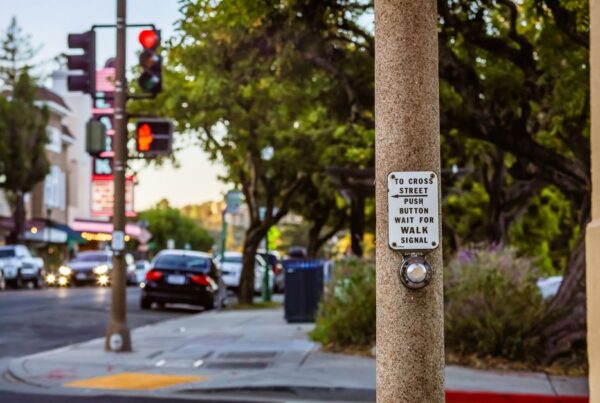
Protecting Pedestrians on Tampa’s Busy Streets

Tampa is a vibrant city, but for those on foot, it presents significant challenges. From the high-speed traffic on Dale Mabry Highway to the busy intersections of Kennedy Boulevard, pedestrians are at a distinct disadvantage when sharing the road with motor vehicles. When a collision occurs, the results are almost always life-altering. Unlike occupants of a vehicle, a pedestrian has no steel frame, airbags, or seatbelts to mitigate the impact of several thousand pounds of machinery.

If you have been injured while walking, jogging, or simply crossing the street, you are likely facing a mountain of medical bills, lost wages, and physical pain. Understanding your legal rights in Florida is the first step toward reclaiming your future. A Tampa pedestrian accident lawyer can help you navigate the complexities of insurance claims and liability to ensure you are not left bearing the financial burden of someone else’s negligence.

Florida Pedestrian Laws and the Right of Way

To build a strong case, it is essential to understand how Florida law views the relationship between drivers and pedestrians. Under Florida Statute 316.130, both drivers and pedestrians have specific duties. While pedestrians are often thought to always have the “right of way,” the law is more nuanced. Drivers are required to exercise “due care” to avoid colliding with any pedestrian and must give warning by sounding the horn when necessary.

In Tampa, many accidents occur at marked crosswalks where drivers fail to yield. However, accidents also happen at unmarked intersections. In Florida, an unmarked crosswalk exists at any intersection where sidewalks would logically connect across the road. Drivers are legally obligated to yield to pedestrians in these areas. Conversely, if a pedestrian crosses outside of a crosswalk, they must yield the right of way to vehicles. Proving where and how the accident happened is a cornerstone of any legal action.

Common Causes of Pedestrian Accidents in Tampa

While every case is unique, several recurring themes emerge in Tampa pedestrian collisions. Recognizing these can help identify the negligent parties involved:

  • Failure to Yield During Turns: Many pedestrians are struck by drivers making right turns on red or left turns through an intersection without checking the crosswalk for foot traffic.
  • Distracted Driving: With the prevalence of smartphones, drivers frequently take their eyes off the road. A few seconds of distraction is enough to miss a pedestrian entering a crosswalk.
  • Speeding in Residential Areas: High speeds reduce a driver’s reaction time and significantly increase the severity of a pedestrian’s injuries.
  • Reversing Accidents: Many injuries occur in parking lots or driveways when drivers fail to look behind them before backing up.
  • Influence of Alcohol or Drugs: Impaired driving remains a leading cause of catastrophic pedestrian accidents in the Tampa Bay area.

The Path to Compensation: Insurance Coverage Options

One of the most confusing aspects of a pedestrian accident in Florida is determining which insurance policy applies. Because Florida is a “no-fault” state, the process differs from many other parts of the country. There are generally three primary paths for seeking medical coverage and compensation:

1. Personal Injury Protection (PIP)

If you own a vehicle in Florida, your own PIP insurance typically covers you, even if you were a pedestrian at the time of the accident. PIP generally covers 80% of reasonable medical expenses and 60% of lost wages, up to a $10,000 limit. If you do not own a vehicle but live with a relative who does, their PIP may cover you.

2. The At-Fault Driver’s Insurance

If your injuries are “permanent” or exceed the limits of PIP, you may pursue a claim against the driver’s Bodily Injury Liability (BIL) coverage. This is where most substantial recoveries occur, as it addresses pain and suffering, future medical care, and the full extent of lost earning capacity. It is important to note that BIL coverage is not mandatory for all Florida drivers, which makes the third path critical.

3. Uninsured/Underinsured Motorist (UM) Coverage

If the driver who hit you has no insurance or insufficient limits, your own UM coverage (if you have it on your auto policy) can step in to provide benefits. This is often the most important protection for pedestrians in Tampa, where many drivers are underinsured.

The Critical Evidence Checklist

In the aftermath of an accident, evidence can disappear quickly. If you are physically able, or have a loved one who can assist, gathering the following information is vital for your Tampa pedestrian accident lawyer to build your case:

  • Police Report: Ensure the Tampa Police Department or Hillsborough County Sheriff’s Office files an official report. This provides an objective baseline of the facts.
  • Photos of the Scene: Capture images of the vehicle’s position, any skid marks, the crosswalk markings, and your injuries.
  • Witness Contact Information: People who saw the accident can provide crucial testimony that contradicts a driver’s false claims.
  • Surveillance Footage: Many Tampa businesses and homes now have Ring cameras or security systems that may have captured the collision.
  • Medical Records: Seek immediate medical attention, even if you feel “fine.” Internal injuries or concussions may not show symptoms immediately, and a gap in treatment can be used by insurance companies to deny your claim.

Understanding Comparative Negligence in Florida

It is common for insurance companies to try to shift the blame onto the pedestrian. They may claim you were “jaywalking,” wearing dark clothing, or distracted by your phone. Under Florida’s current modified comparative negligence rule, if you are found to be more than 50% at fault for the accident, you may be barred from recovering any damages from the other party.

If you are less than 50% at fault, your recovery is reduced by your percentage of blame. For example, if you are awarded $100,000 but found 20% at fault, you would receive $80,000. An experienced attorney knows how to fight back against these tactics, using accident reconstruction experts to prove the driver’s primary responsibility.

Severe Injuries and Long-Term Impact

Pedestrians often suffer “catastrophic” injuries. We frequently see cases involving traumatic brain injuries (TBI), spinal cord damage, complex fractures, and internal organ damage. These injuries require more than just initial emergency room visits; they often necessitate years of physical therapy, multiple surgeries, and home modifications.

When calculating the value of a claim, we look at the “whole person.” We consider how the injury affects your ability to work, your relationship with your family, and your overall quality of life. In cases of wrongful death, we assist families in seeking justice for the loss of companionship and support.

Connecting Your Case to Related Legal Needs

Pedestrian accidents often intersect with other areas of personal injury law. If the vehicle involved was a commercial vehicle, your case might involve truck accident regulations. If the accident happened because of a poorly maintained sidewalk or parking lot, it might fall under slip and fall or premises liability. Furthermore, if you are struggling with an insurer who refuses to pay valid PIP benefits, you may need assistance with insurance disputes. In the most tragic circumstances, these cases may transition into wrongful death claims to support the surviving family members.

Frequently Asked Questions

What if I was hit by a car but it was a hit-and-run?

Hit-and-run accidents are unfortunately common in Florida. In these cases, your primary source of recovery is typically your own PIP insurance and Uninsured Motorist (UM) coverage. We also work closely with local law enforcement to try and identify the driver through traffic cameras and witness statements.

How long do I have to file a lawsuit in Florida?

For most personal injury cases in Florida, including pedestrian accidents, the statute of limitations is now two years from the date of the accident. However, there are exceptions, and it is always best to consult with a lawyer as soon as possible to ensure no deadlines are missed.

Can I still recover money if I wasn’t in a crosswalk?

Yes. While crossing outside a crosswalk (often called jaywalking) may mean you share some responsibility, it does not automatically bar you from recovery. Drivers still have a duty to avoid hitting pedestrians whenever possible. We can investigate if the driver was speeding or distracted, which could outweigh your decision to cross the street where you did.

Who pays for my medical bills immediately after the accident?

Initially, your own PIP insurance is the primary payor. If you don’t have PIP, the PIP of a resident relative may cover you. If that is unavailable, we look to the at-fault driver’s insurance or your health insurance. Eventually, these costs are factored into the final settlement or verdict against the negligent driver.

Do I need a lawyer if the insurance company offered me a settlement?

It is highly recommended to have a lawyer review any offer. Early settlements are often “lowball” offers designed to close the case before the full extent of your injuries is known. Once you sign a release, you cannot go back for more money if you discover you need surgery later.

Moving Forward After a Pedestrian Accident

Recovery after a pedestrian accident is a marathon, not a sprint. While your doctors focus on your physical healing, your legal team focuses on your financial stability. By holding negligent drivers accountable, we not only help you recover but also send a message that pedestrian safety must be a priority on Tampa’s roads. Every resident deserves to walk their neighborhood without fear. If you are ready to explore your options, reaching out for a professional case evaluation is the most effective way to protect your rights and ensure your family’s future is secure.

My Law Tampa
Ready to speak with intake?

Share your details and we’ll follow up shortly.

Request Consultation

Related Legal Resources

Leave a Reply